Greece
Marble, light, and the oldest blue
About Greece
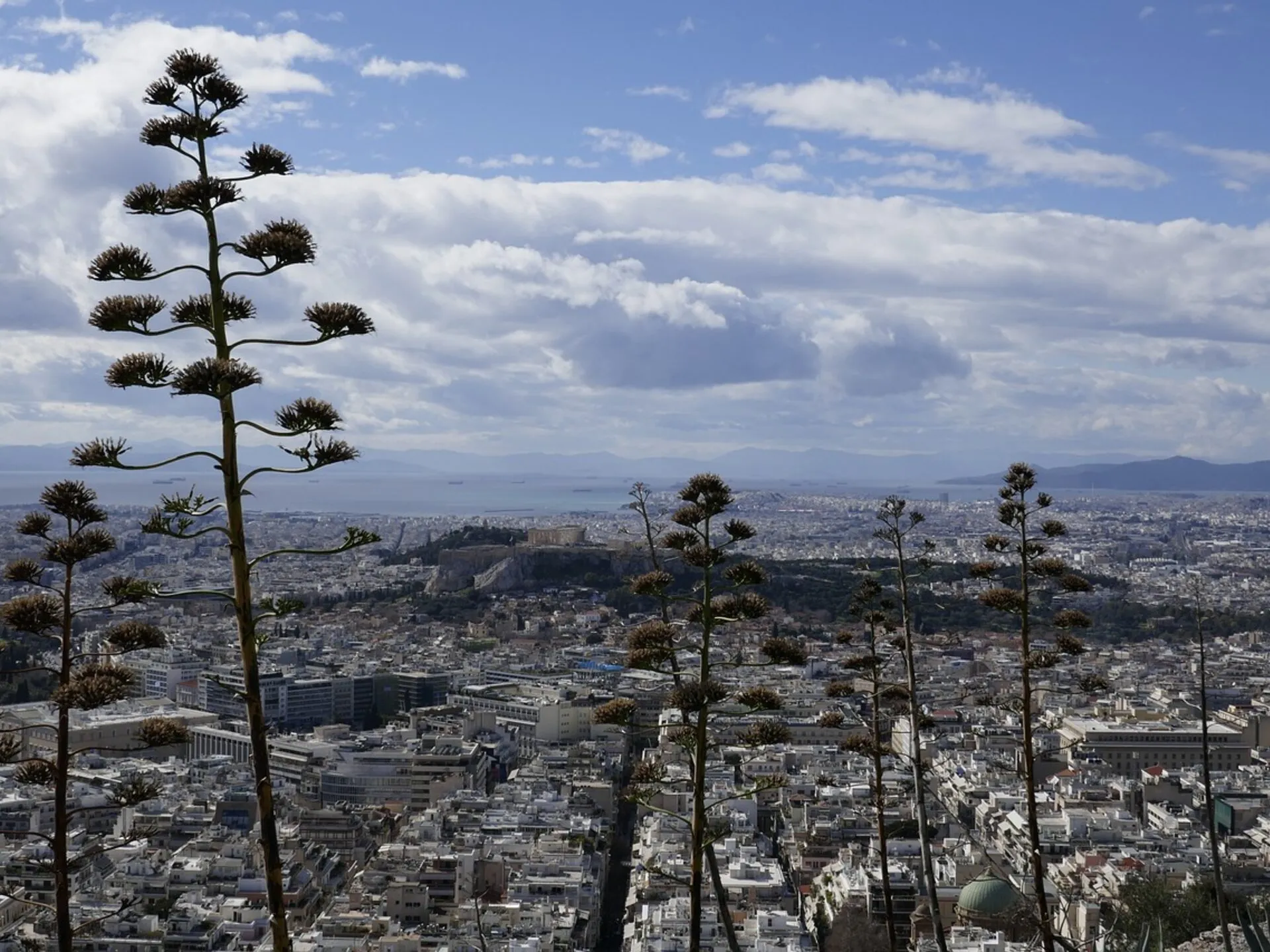
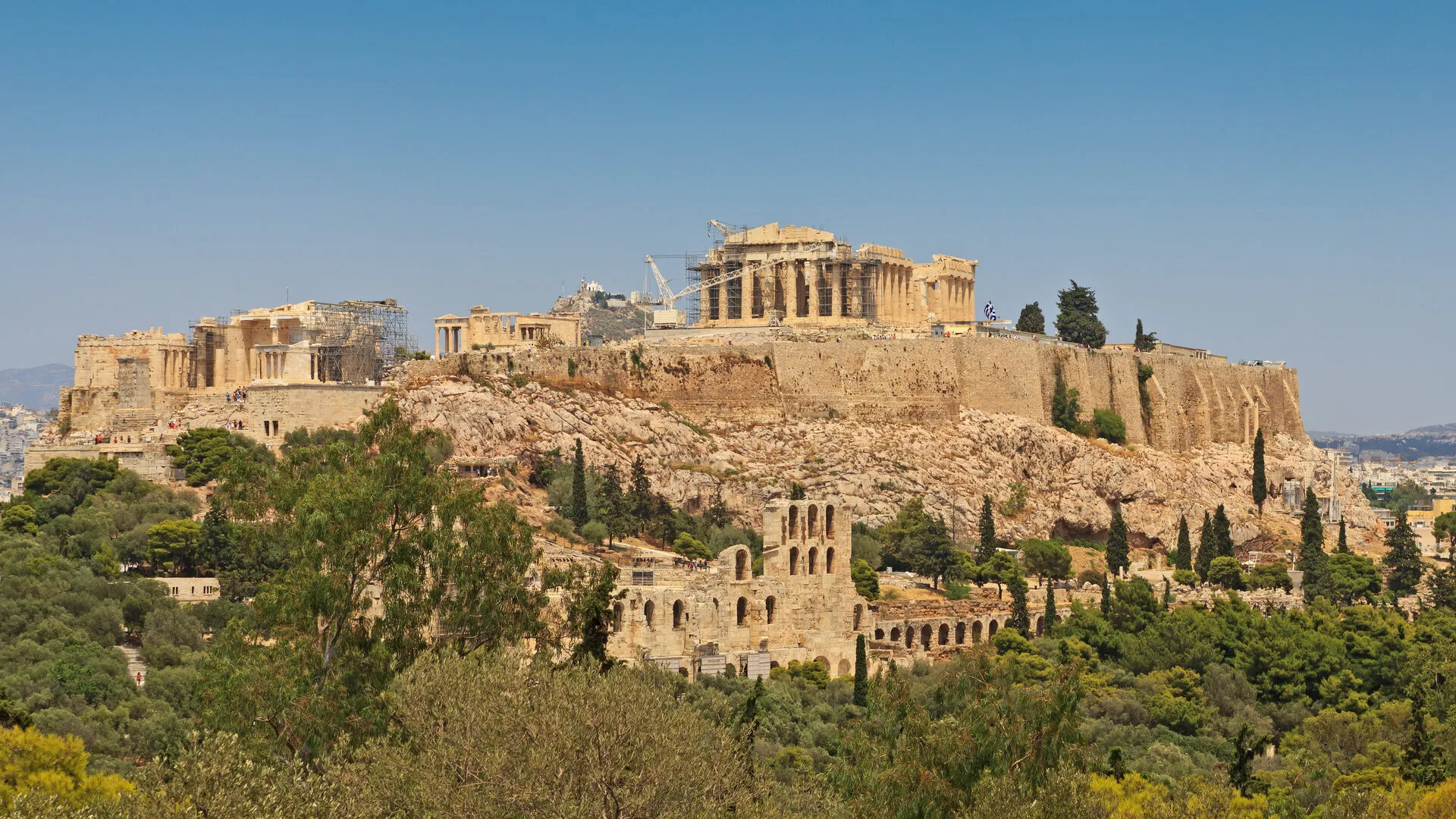
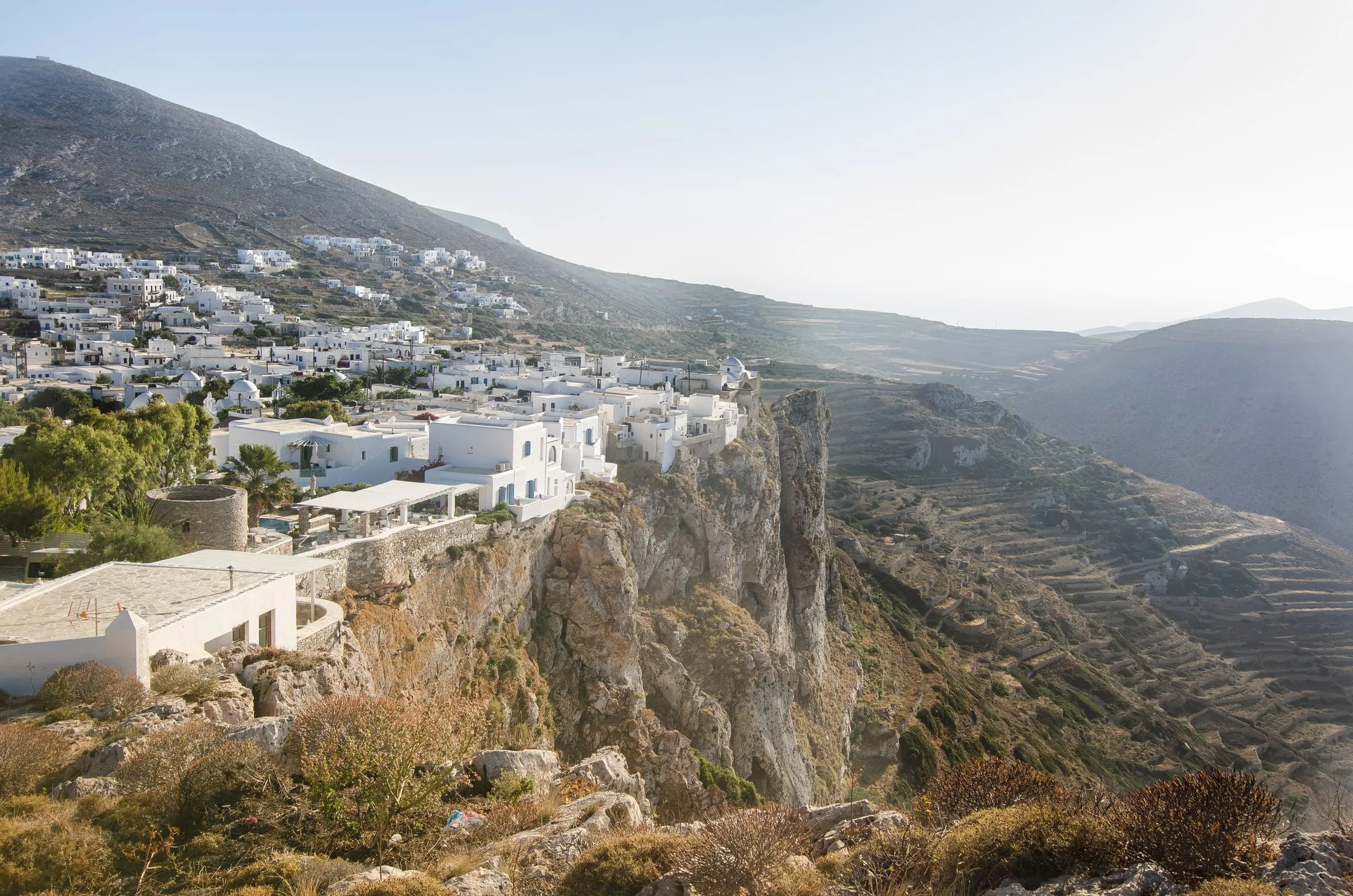
Greece is the sea itself: hundreds of inhabited islands scattered across the Aegean and Ionian, reached by ferries that run like buses. Athens holds the Acropolis and the modern city beneath it, and the islands run from the volcanic caldera of Santorini to the quiet ones where the schedule is still set by the wind and the ferry timetable.
The trick to a first Greek trip is to pick one or two islands and give them time, because the ferries are the trip as much as the destinations are. The food is simple and good, the light is strong, and the blue is the loudest thing on the horizon. Prices split sharply between the famous islands and everywhere else.
When to go
April, May, early June, late September, and October are the best months. The days are warm without being punishing, the archaeological sites are manageable in the morning, and hotel rates sit well below the summer peak. July and August are the hottest and busiest, with the meltemi wind building across the Aegean, and Athens becomes a city to sightsee before 08:00 and after dark. The sea is warmest in late summer, around 25 to 26 degrees on Crete and the south.
Getting around
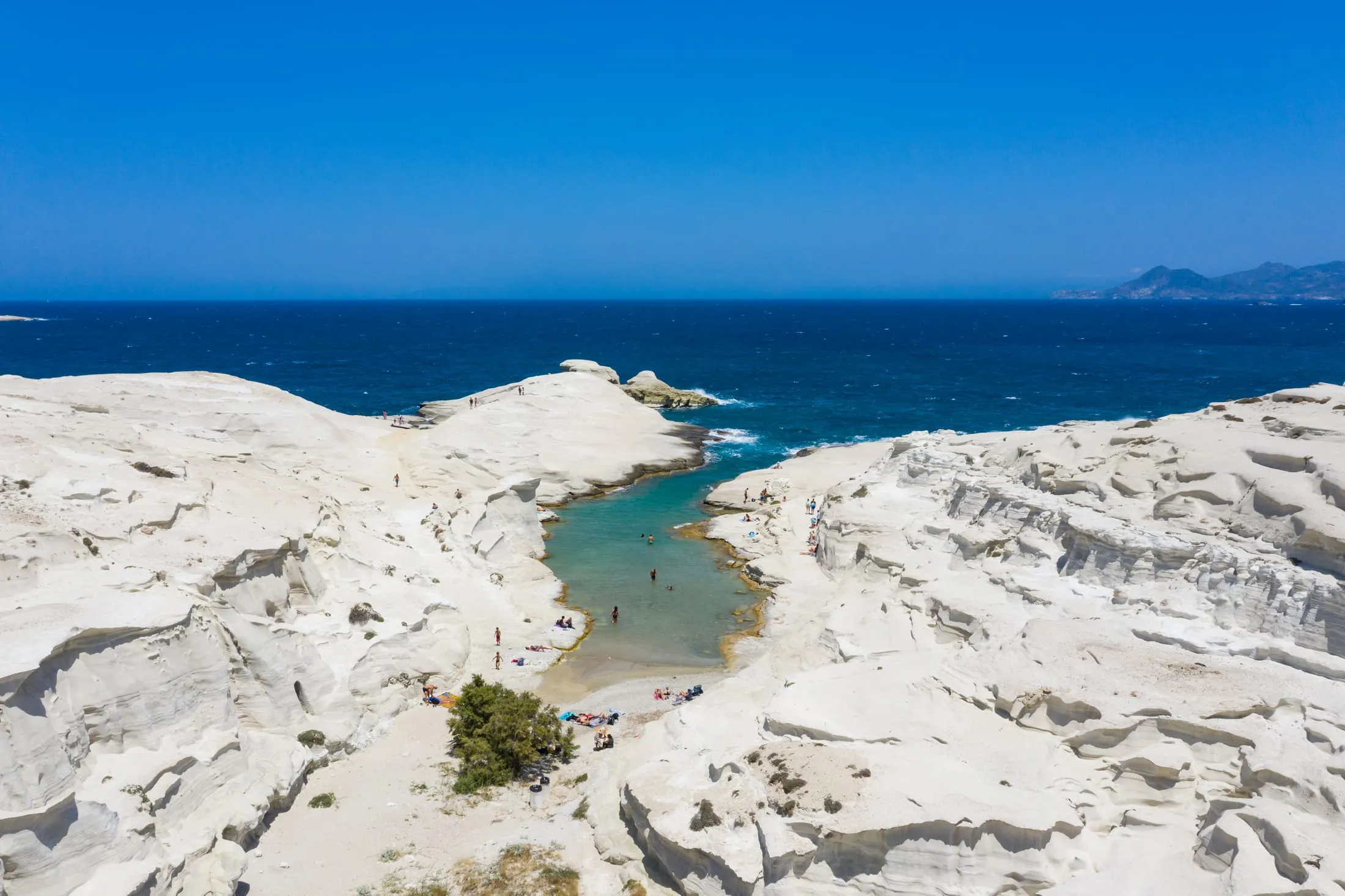
Athens airport connects to the centre by Metro Line 3 in about 40 minutes for 9 EUR or the 24-hour X95 express bus for 5.50 EUR, and the ferries to the islands leave from Piraeus, about 25 to 30 minutes from the centre on Metro Line 1. Island flights are short and fares swing with the season, so the ferry is often the better choice on a longer trip: Athens to Milos runs several times a day, Athens to Santorini starts around 45 EUR on a deck seat, and the Cyclades connect to each other directly. Book ferries and island hops a few days ahead in July.
What it costs
Planning figures for 2026, per person per day and excluding flights and accommodation: a backpacker day runs about 40 to 60 EUR on the quieter islands, a comfortable day 80 to 120 EUR, and a mid-range day 140 to 200 EUR. Athens sits higher, at a comfortable 100 to 150 EUR, and Santorini and Mykonos run above the rest of the country, where accommodation breaks the budget rather than the day-to-day. Crete, Rhodes, and Milos sit in the middle of the Greek range.
Where to stay
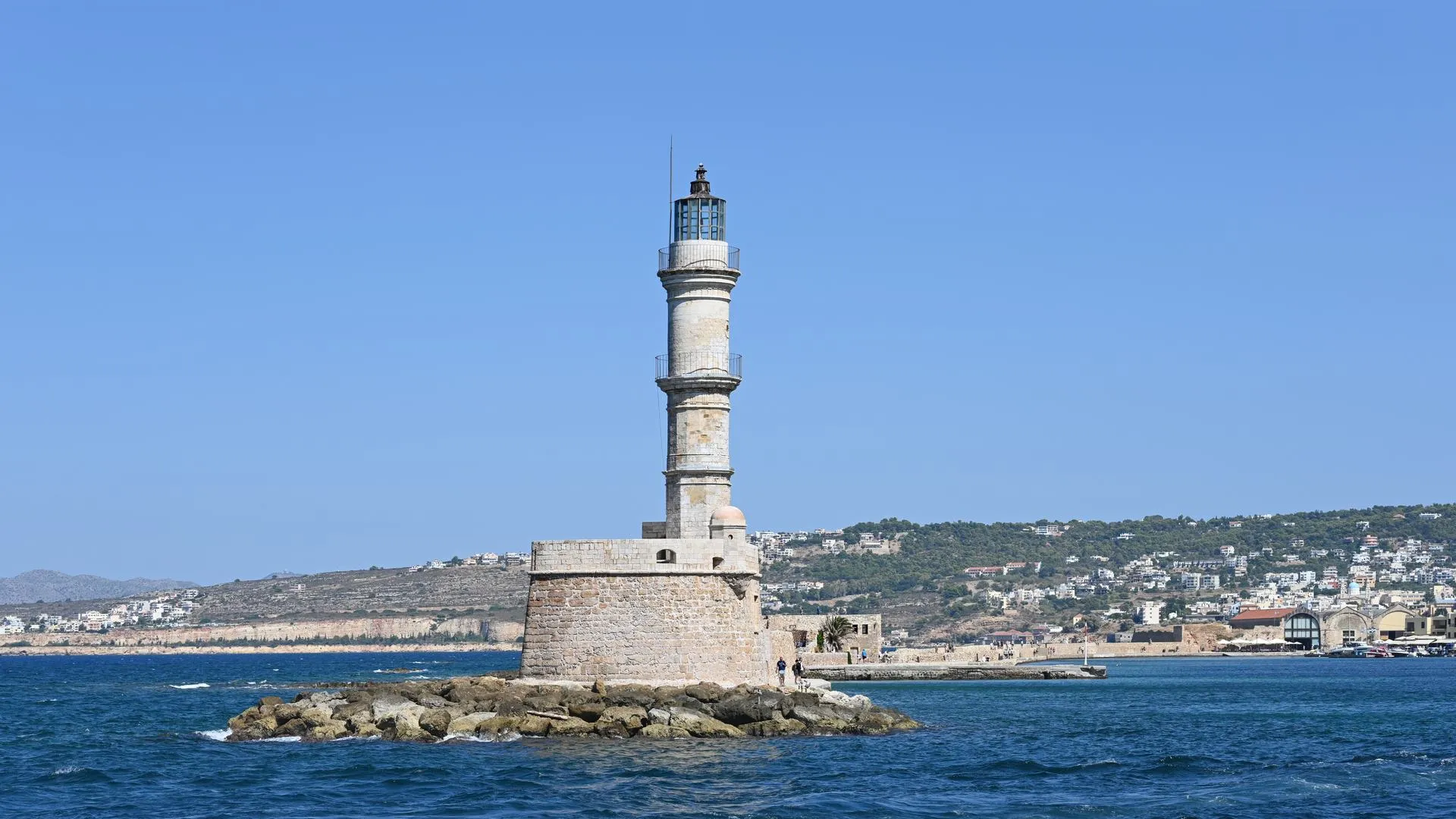
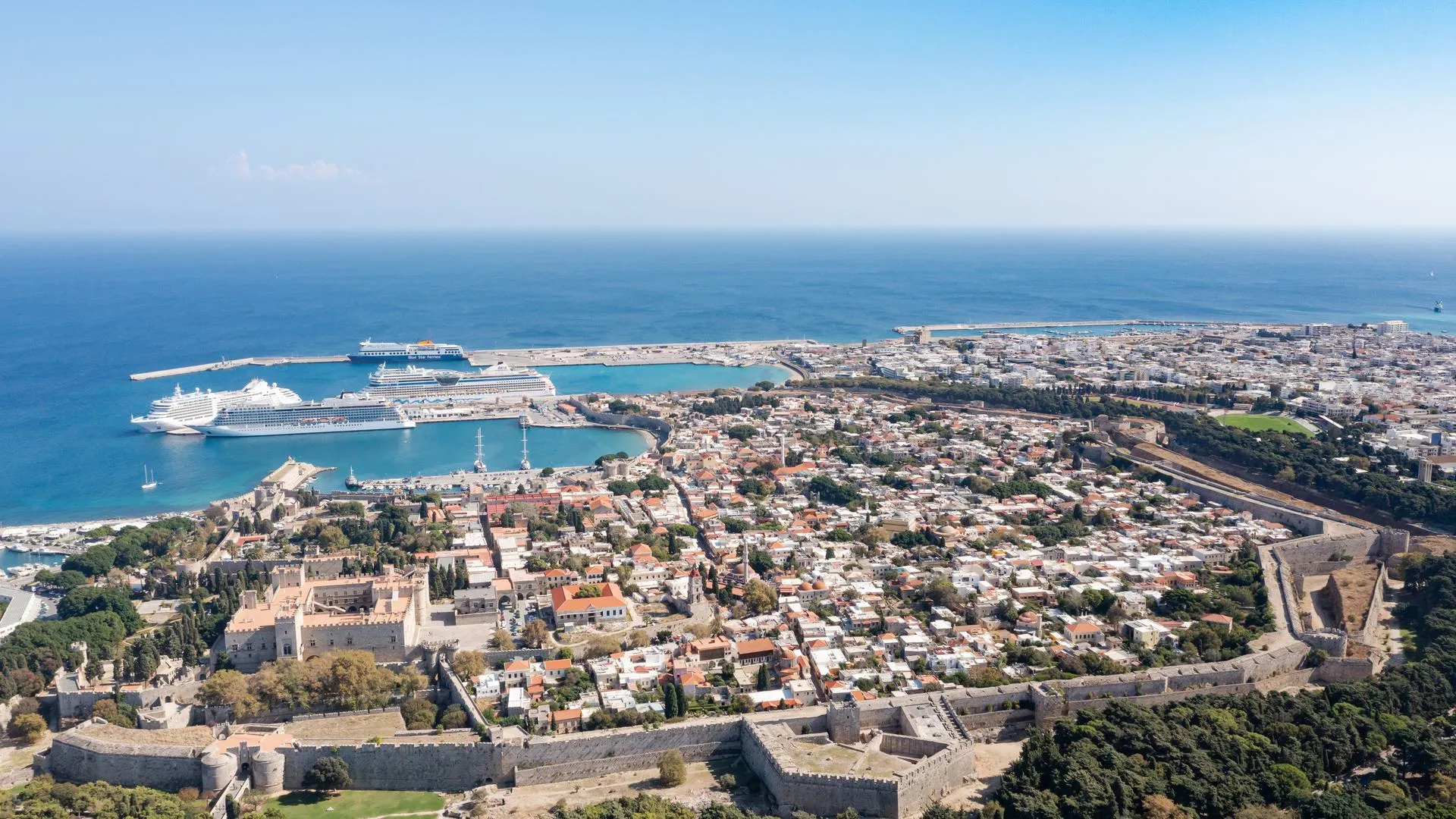
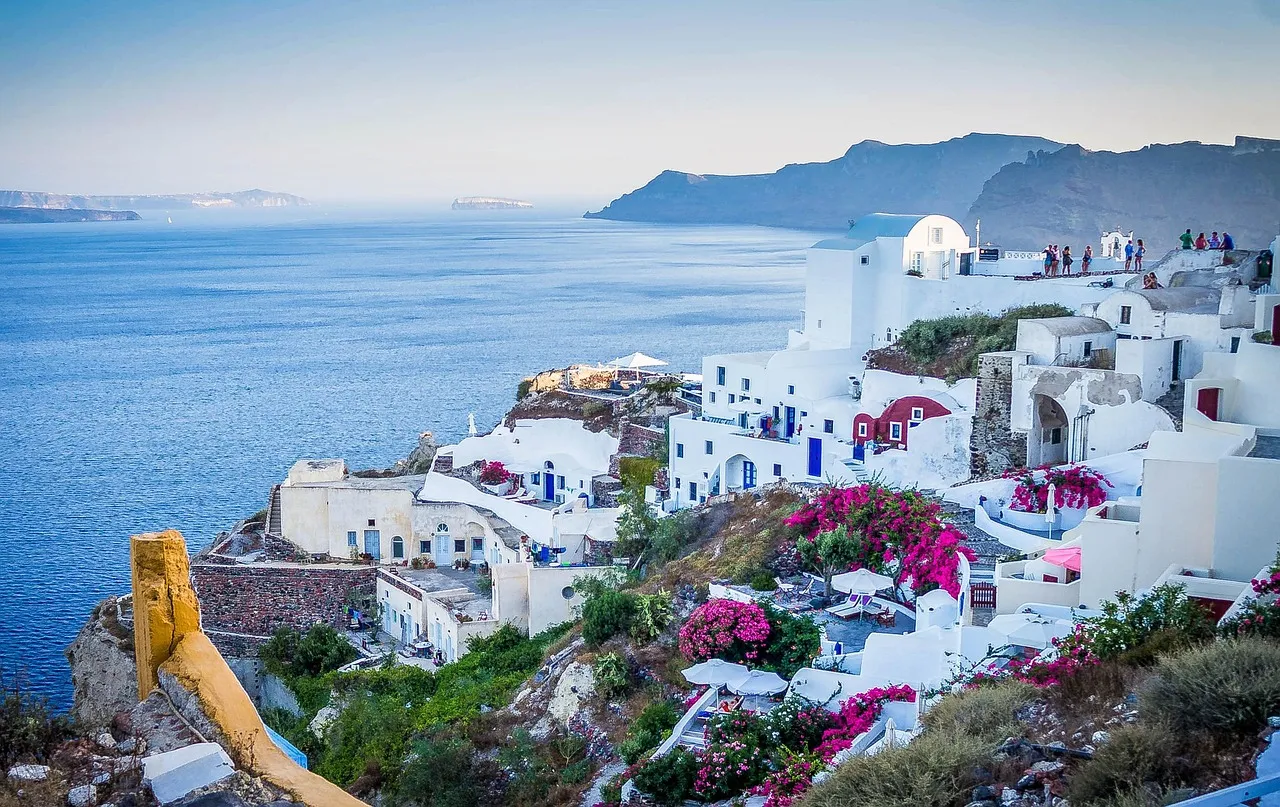
In Athens, Plaka and Monastiraki put you under the Acropolis with the restaurants and the market close, while Syntagma and Kolonaki are calmer. On Santorini, Fira is the transport hub and the sensible default, Oia the most beautiful and expensive, and Kamari and Perissa the budget beach answer. On Crete, base in the west at Chania or Rethymno for a first visit, and on Rhodes the old town suits anyone who came for the history.
Practical information
| Getting around | Ferries and catamarans link the islands, and short flights cover the longer hops. On the islands, buses meet the ferries and run to the main beaches, and on Santorini or Milos a bus line or a car decides your day. |
|---|---|
| When to go | April, May, early June, late September, and October. July and August bring heat, peak prices, and the meltemi wind, so book ferries and rooms well ahead. |
| Money | Euro. Cards are accepted in most places, with cash useful for small tavernas and buses. Tipping is a few euros on a good meal, not a fixed percentage. |
| Language | Greek. English is widely spoken in tourist areas. Taverna meals are relaxed, and the bill often arrives with a small complimentary sweet or a shot of raki or ouzo. |
| Safety | Greece is safe for normal travel. The main risks are heat in summer, the sun on exposed archaeological sites, and rough water when the meltemi blows, so check the ferry timetable and swim where locals do. |
Points of interest
- Athens - the Acropolis and the sprawling modern city beneath it
- Santorini - the caldera, the white-washed villages, and the sunset crowds
- Crete - the largest island, with gorges, palaces, and its own strong food
- Aegean islands - ferry-hopping from Mykonos to the quieter Cyclades
- Greek cuisine - olive oil, lemons, grilled fish, and seaside tavernas
Read next