Croatia
A thousand islands on one coast
About Croatia
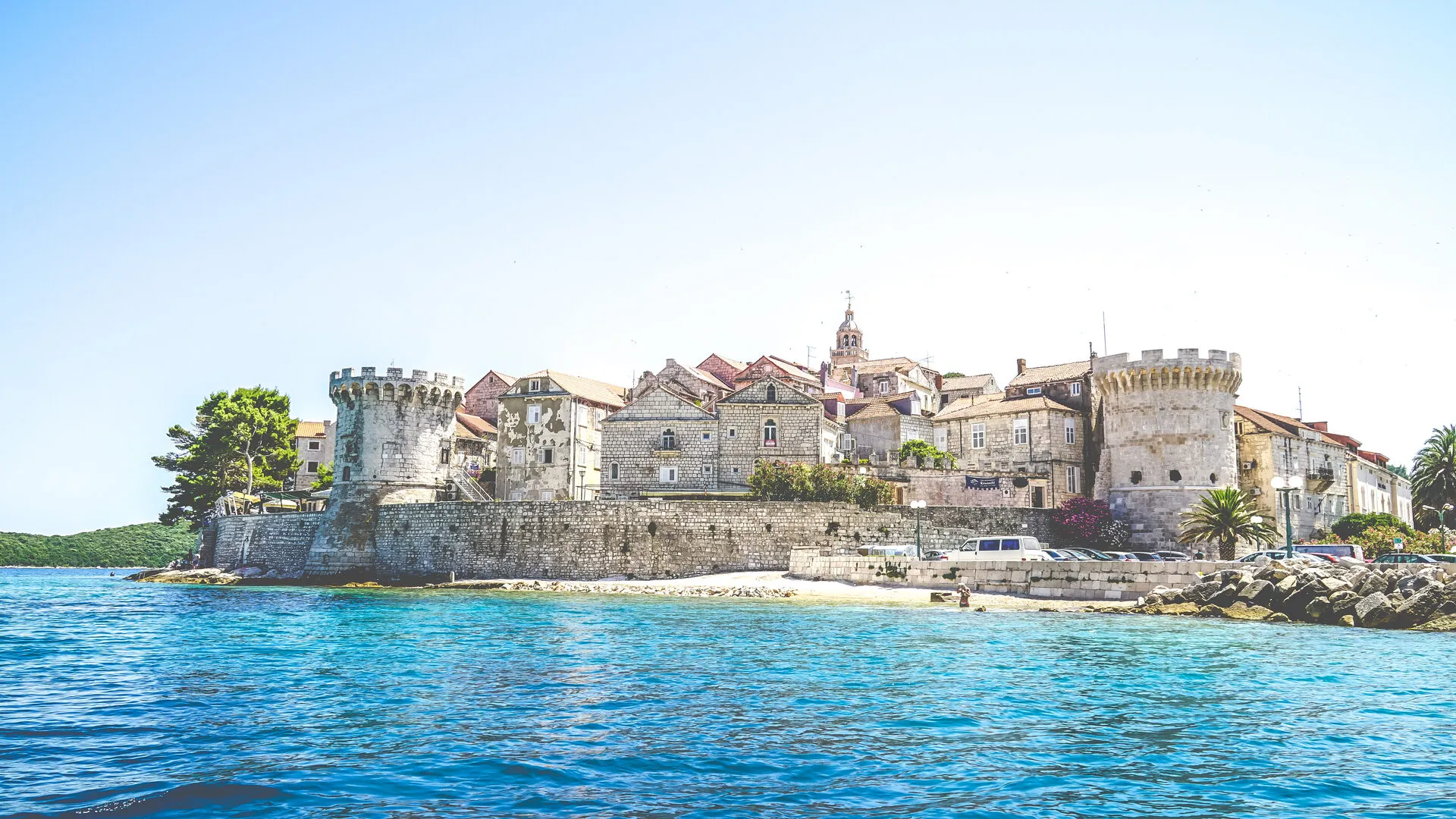
Croatia's Dalmatian coast is a thin strip of limestone running south for hundreds of kilometres, backed by mountains and fronted by an archipelago of islands. Split and Dubrovnik are the two anchors, Hvar and Korcula the island escapes, and the sea between them is the clearest on this side of the Adriatic.
The country joined the euro in 2023, which makes prices easy to read, and it is busiest in July and August when the cruise ships and the summer crowd arrive. The shoulder months give the same coast with more room, and the water stays warm into October.
When to go
May, June, September, and October are the best months. May and June are warm and green before the crowds build, September and October hold the warmest sea of the year, and early October is still warm enough to swim. July and August are the hottest and busiest, with daytime highs around 32 degrees Celsius, packed old towns, and peak hotel rates. The sea reaches about 25 degrees in mid summer and stays near 21 into October.
Getting around
Split airport is about 25 km from the centre and the Platanus shuttle reaches the bus station in 30 to 40 minutes for about 10 EUR; in Dubrovnik the same shuttle costs 10 EUR one way and 15 EUR return. Split is the hub of the coast, with fast catamarans to Hvar, Brac, and Vis and down to Dubrovnik, and car ferries to the islands from the piers just south of the bus station. The catamaran from Split to Hvar Town takes 50 to 65 minutes, and there is no train, so the bus and the ferry do the work.
What it costs
Planning figures for 2026, per person per day and excluding flights and accommodation: a budget day runs about 45 to 65 EUR in Split and 60 to 85 EUR in Dubrovnik, a comfortable day 85 to 140 EUR, and a mid-range day 150 to 230 EUR. Dubrovnik is the priciest stop once the walls at around 35 EUR, a boat trip, and a seafood dinner are added, while Split runs a step below. Prices are in euros, and cards are accepted almost everywhere.
Where to stay
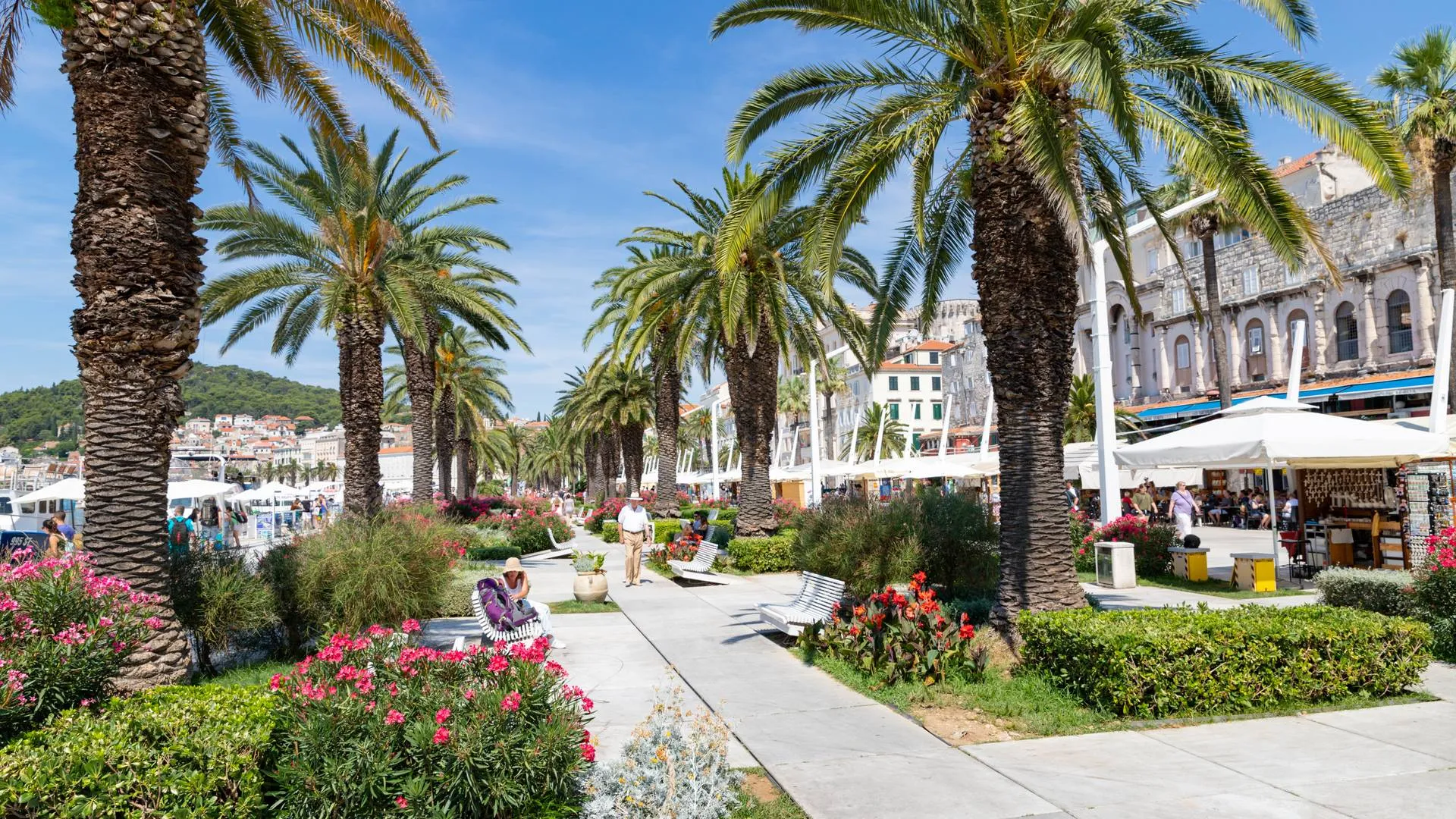
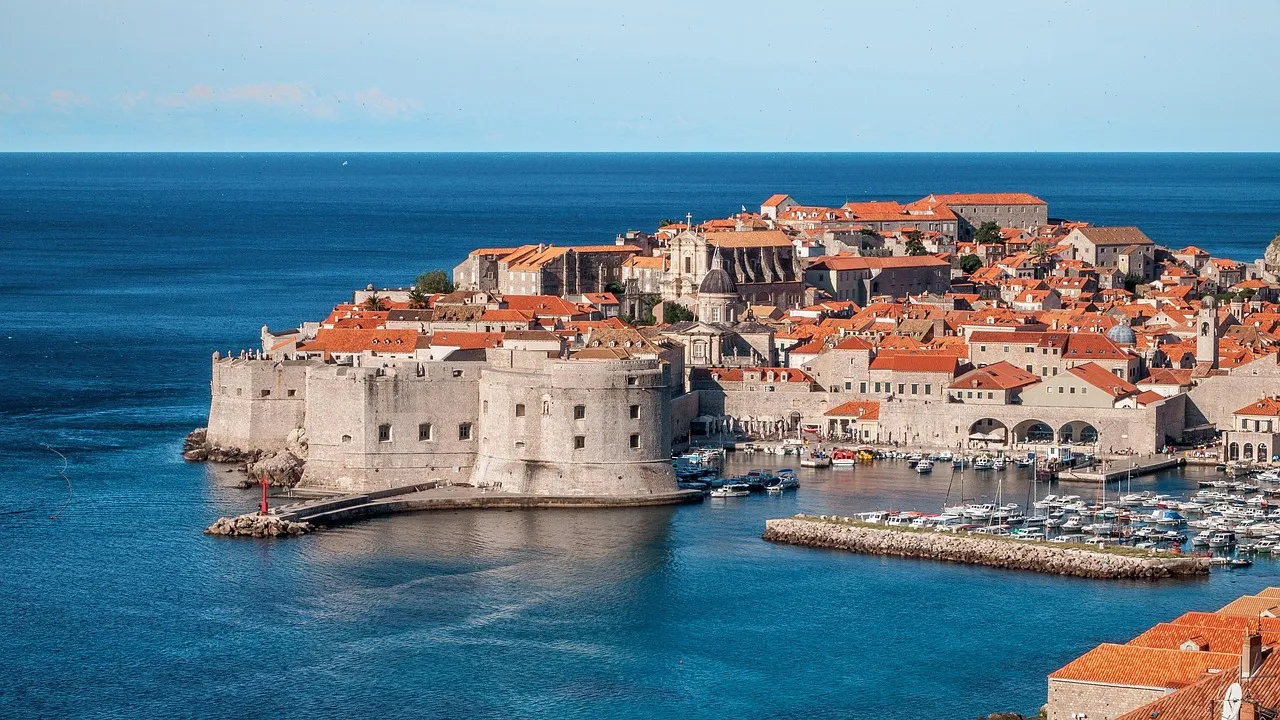
In Dubrovnik, staying inside the walls is the romantic choice and the quietest at night, while Ploce and Lapad trade atmosphere for beaches and easier parking. In Split, rooms inside or beside Diocletian's palace put the Peristyle and the Riva on the doorstep, and the streets just outside the walls are cheaper and quieter. On the islands, Hvar Town and Korcula Town are the bases for a first visit, with Stari Grad and Lumbarda as the calmer alternatives.
Practical information
| Getting around | Buses cover the mainland, and catamarans and car ferries link the islands. Split is the transport hub of the coast, and the bus station sits a five minute walk from the old town and the ferry port. |
|---|---|
| When to go | May, June, September, and October. July and August are the peak in the real sense, with the hottest days, the fullest hotels, and cruise crowds in the old towns. |
| Money | Euro since 2023. Cards are accepted almost everywhere, with cash handy for markets and small konobas. Tipping is a round-up to about ten percent for good service. |
| Language | Croatian. English is widely spoken along the coast. Seafood and grilled meat dominate the menus, and a konoba is a traditional taverna. |
| Safety | Croatia is safe for normal travel. The old towns are car free and stony underfoot, so wear shoes with grip, and be careful on the walls and the sea rocks. |
Points of interest
- Dubrovnik - a walled old town built tight against the Adriatic
- Hvar and Korcula - the island ferries, lavender, and old town squares
- Plitvice Lakes - terraced turquoise lakes and boardwalks in the mountains
- Split - Diocletian's palace and a city that lives inside Roman walls
- Istria - truffles, hill towns, and Italy across the bay
Read next