Turkey
Two continents, one turquoise coast
About Turkey
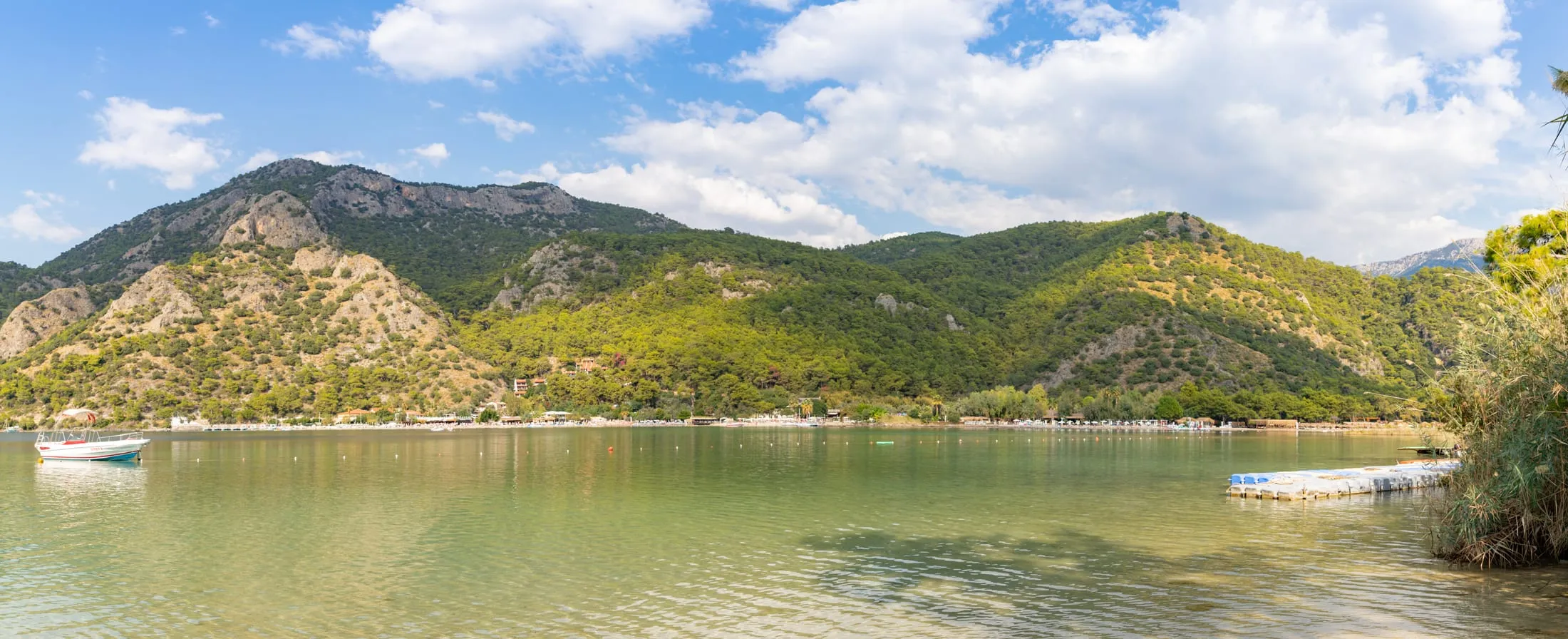
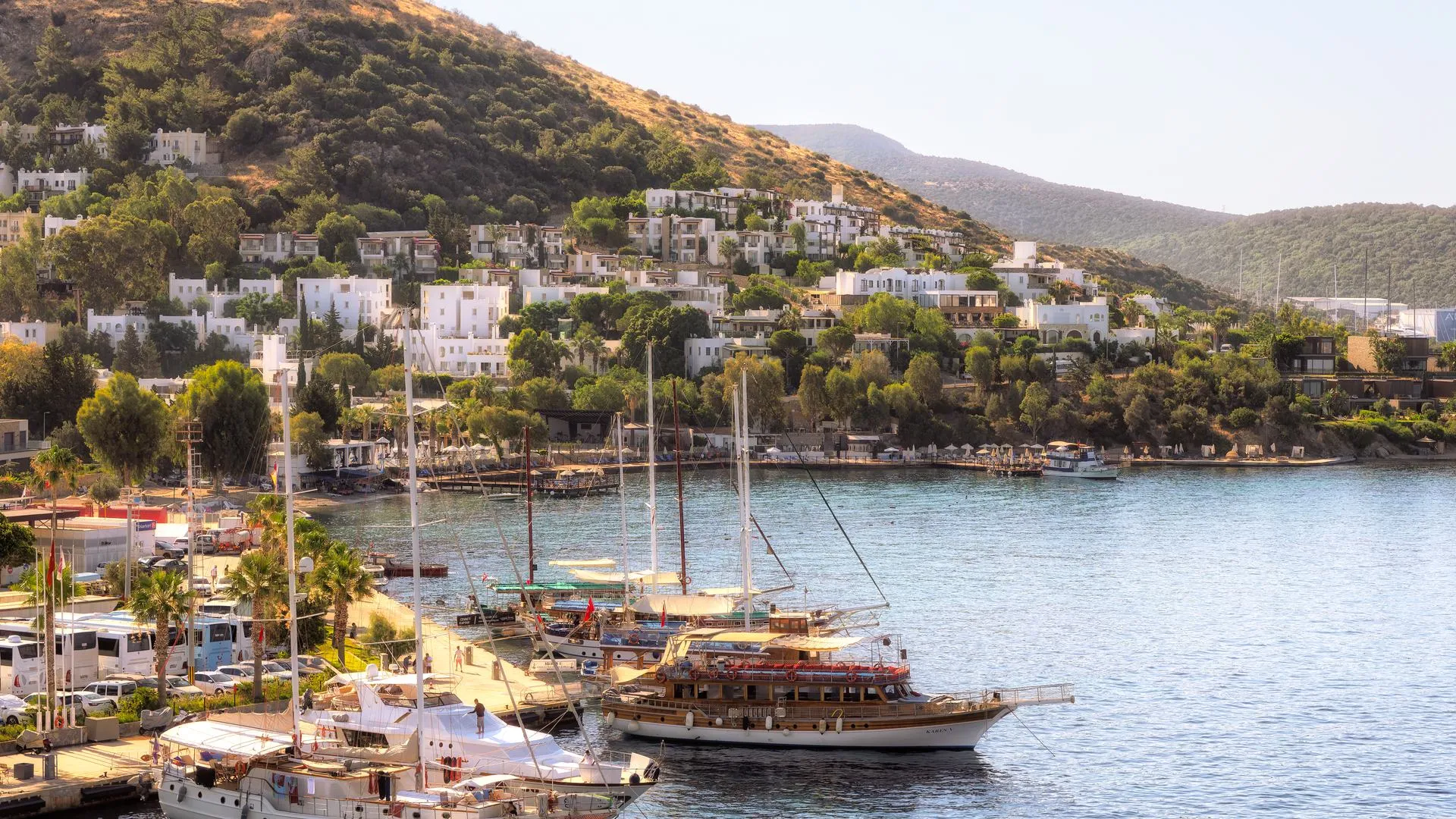
Turkey's Mediterranean stretch, the Turkish Riviera, runs from Antalya eastward along a coast of deep inlets, pine forests, and Roman ruins that sit right on the water. The country is two continents, Europe across the Bosphorus in Istanbul and Asia everywhere east of it, and the Riviera is the warm, easy corner that suits a first visit.
Prices are lower than the rest of the Mediterranean and the history runs older, which makes it one of the best-value corners of the sea. The lira moves with inflation, so treat any figure you read as short lived and check the operator on arrival. The coast is also an easy bridge to the Greek islands by ferry.
When to go
May, June, September, and October are the best months. May is warm and green with the peninsula still quiet, June and September pair a warm sea with gentler heat, and October stays mild, with early October still warm enough to swim. July and August are the hottest, busiest, and priciest, with daytime highs above 30 degrees Celsius. Winter is mild and quiet on the coast, and many beach clubs and boat trips close until late spring.
Getting around
The Riviera runs on buses, dolmus minibuses, and a growing tram network. Antalya airport is about 13 km from the centre and the AntRay tram reaches the old town in 35 to 40 minutes for about 1 EUR, while Dalaman serves the Fethiye and Oludeniz area about 50 minutes to an hour away. From Bodrum, Milas-Bodrum airport is 37 km out with a Havas shuttle, and there are passenger ferries to Greece, including a 30 minute crossing from Bodrum to Kos and a Fethiye to Rhodes run of about 1 hour 25. Fares are set in lira and rise with inflation.
What it costs
Planning figures for 2026, per person per day and excluding flights and accommodation: a budget day runs about 30 to 45 EUR, a comfortable day 55 to 85 EUR, and a mid-range day 90 to 140 EUR, with paragliding and full-day cruises the swing factor. Antalya and Fethiye sit at the lower end, and Bodrum runs higher with a genuine two-tier economy. Prices are in Turkish lira, cards are accepted in most places, and cash is useful for markets and small lokantas.
Where to stay
In Antalya, Kaleici is the atmospheric choice, with courtyard hotels in restored Ottoman houses and the harbour on the doorstep, while Konyaalti is the beach base. In Bodrum, stay in the town for a first visit so the castle, bazaar, and harbour are walkable, with Gumbet the budget and nightlife base. In Fethiye, the town is the best base for the harbour, market, and ferry, with Oludeniz the beach and paragliding base a dolmus ride away.
Practical information
| Getting around | Buses, dolmus minibuses, and trams cover the coast, and ferries connect to the Greek islands. Fares are set in lira, so check the current price on arrival rather than trusting an old figure. |
|---|---|
| When to go | May, June, September, and October. July and August are hot, busy, and windy on the coast, with the afternoon wind able to ground paragliding and chop up the boat trips. |
| Money | Turkish lira. Cards are widely accepted, and cash helps in markets and small lokantas. Tipping of around ten percent is normal in restaurants and for guides. |
| Language | Turkish. English is common in tourist areas. Tea comes all day, meals often start with meze, and a taxi fare should be metered or agreed before you set off. |
| Safety | Turkey's coast is safe for normal travel, and the main caution is the heat in high summer. Carry water and use sun protection, and choose travel insurance that covers adventure activities if you plan to paraglide. |
Points of interest
- Antalya - the old harbor, the Roman walls, and the beach resorts
- Turquoise coast - boat trips, hidden coves, and Lycian rock tombs
- Istanbul - two continents, the Bosphorus, and the old city
- Ephesus - one of the best-preserved Roman cities in the Aegean
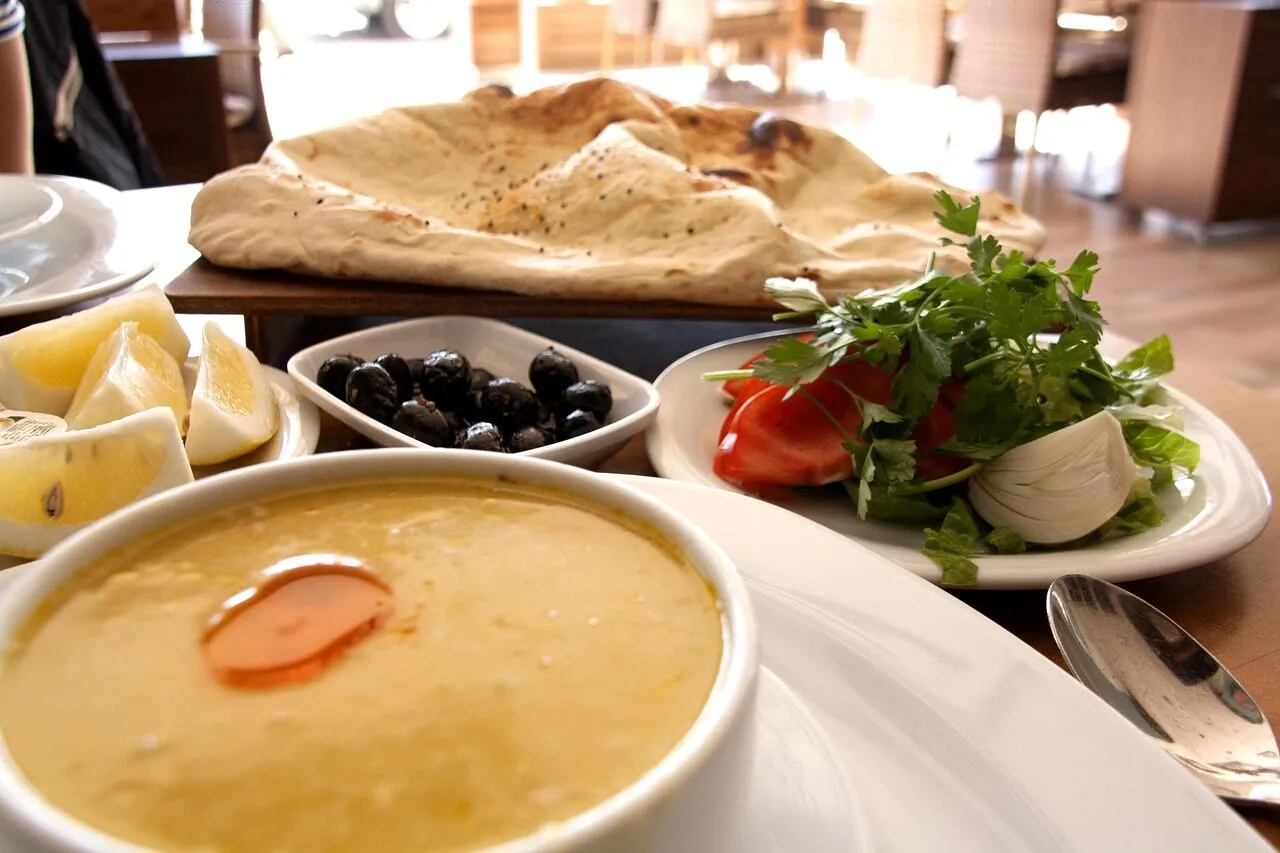
- Turkish food - meze, kebabs, fresh fish, and tea all day
Read next