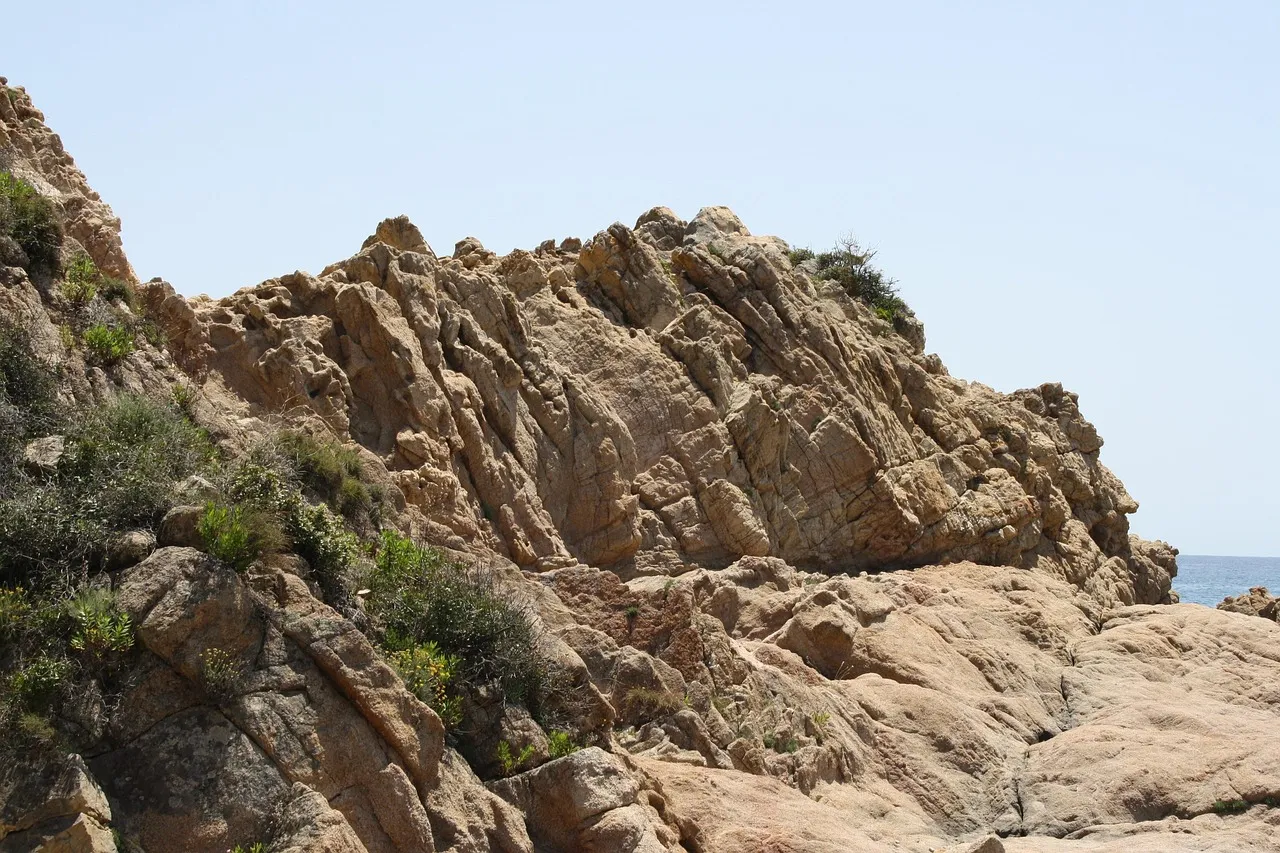
One sea, seven countries
Plan the Mediterranean, country by country
Honest, practical guides to Spain, Italy, Greece, Croatia, Portugal, Turkey and Malta. Real numbers, clear routes, and the details that decide a trip.
Latest from the guides
Fresh from the coast
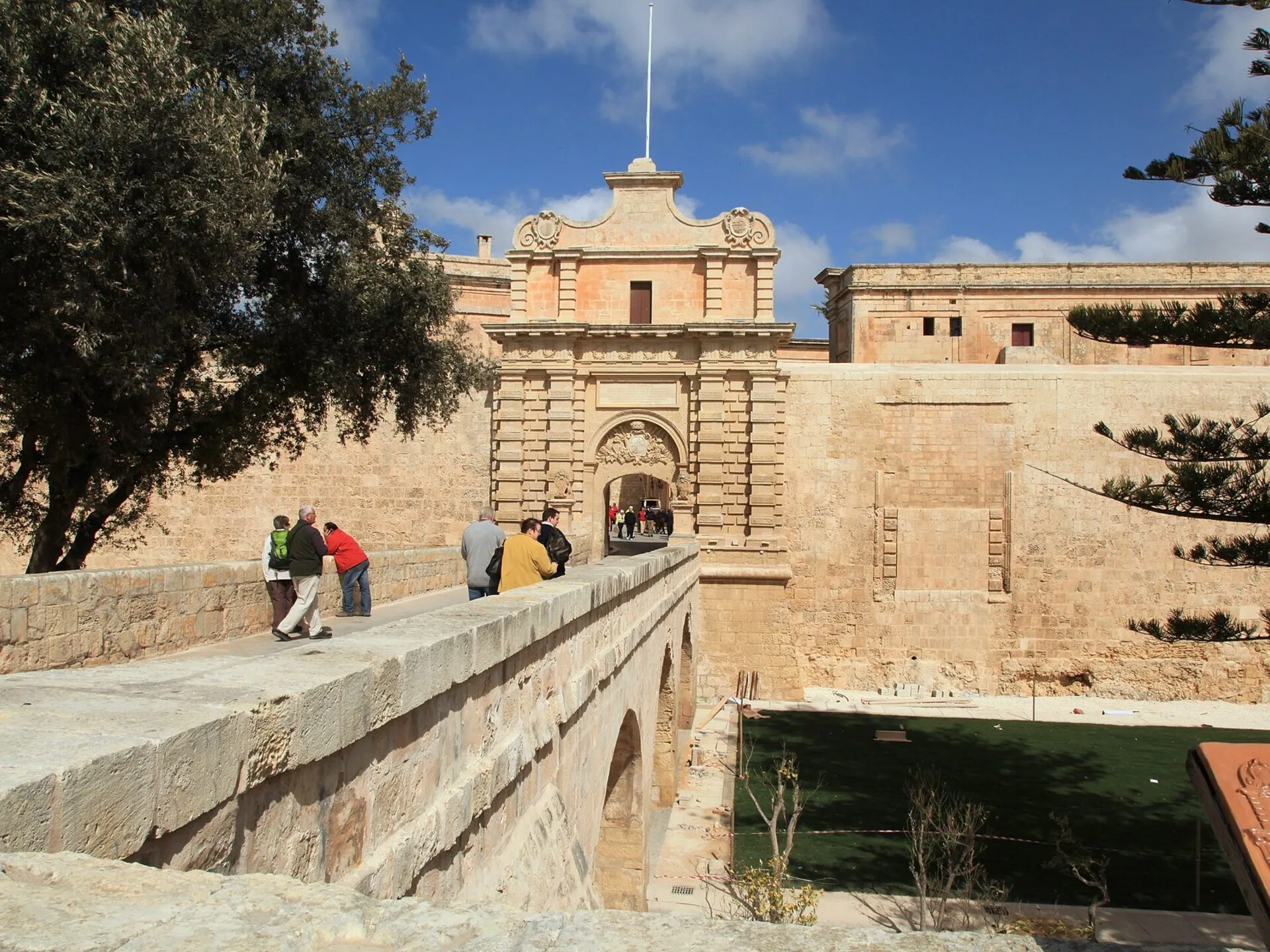
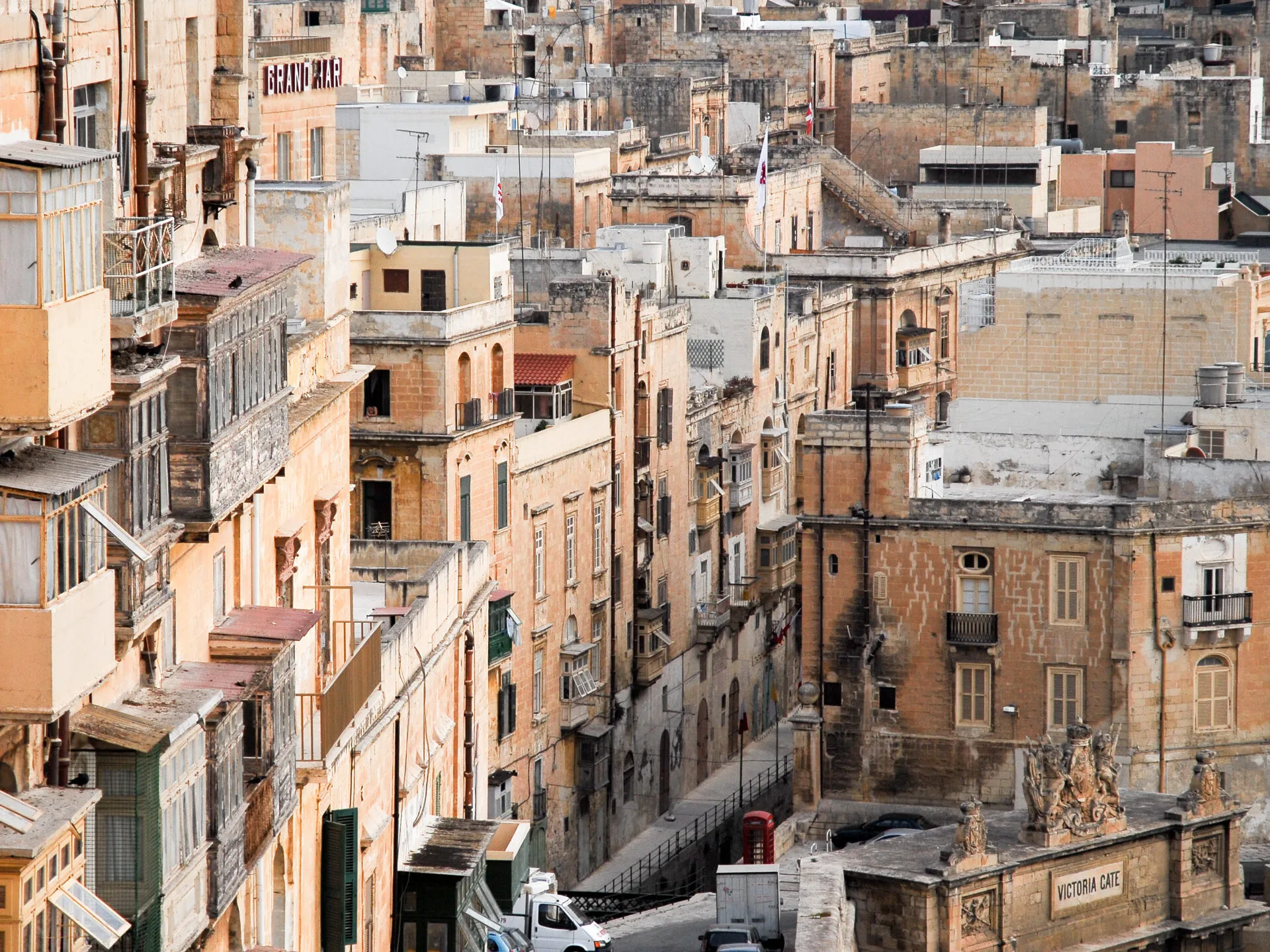
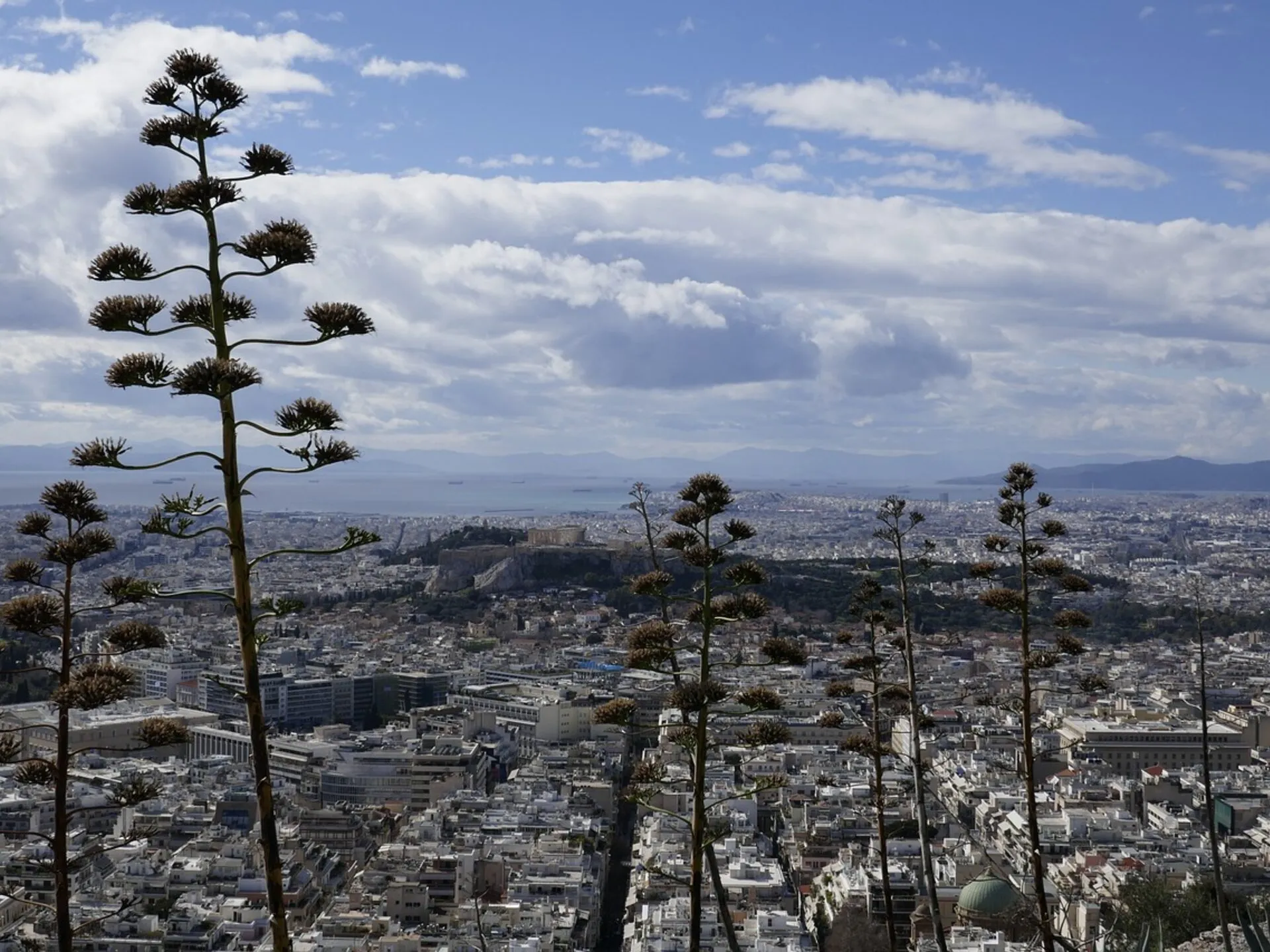
The seven countries
Where to next?
Pick one to start, then follow the coast. Each country has its own language, food, and rhythm, but the sea between them is what makes the Mediterranean feel like a single journey.
Spain
Tapas, flamenco, and palaces of gold
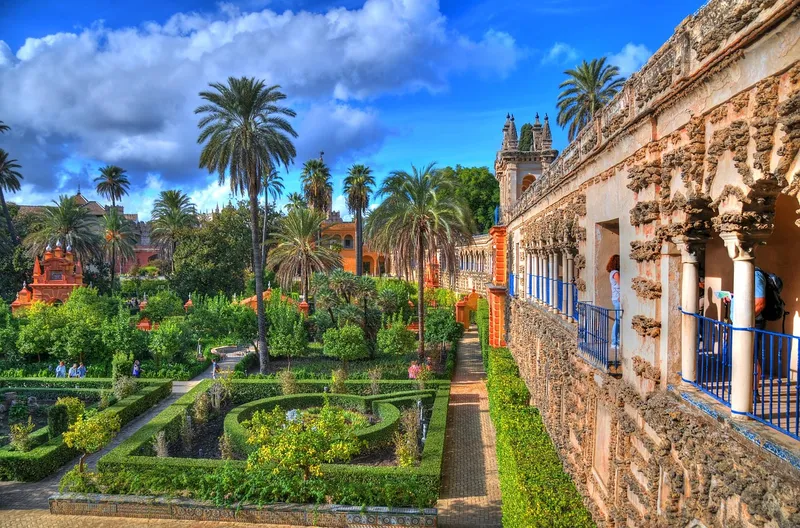
Spain sits where Europe ends and Africa begins, and its southern cities show it: eight hundred years of Moorish rule left palaces, patios, and orange trees in Seville and Granada, while the rest of the country mixes Roman ruins, mountain villages, and a food culture that runs on tapas and late dinners. It is the country most people picture when they picture a Mediterranean holiday, and the one that rewards slow wandering more than checklist tourism.
Points of interest
- Seville - the Alcazar, the Giralda tower, and the biggest historic center in Spain
- Granada - the Alhambra, a Moorish palace complex on a hilltop
- Barcelona - Gaudi architecture and the Mediterranean port
- Andalusian coast - white villages, hidden coves, and sherry towns
- Tapas culture - a whole eating style built on small plates and long evenings
At a glance
- Capital
- Madrid
- Language
- Spanish
- Population
- 48.6m2024 official · Instituto Nacional de Estadistica
- Currency
- Euro
Notes from the road
What makes the Mediterranean worth your time
The shared threads behind six very different countries, from the olive groves to the late dinner table.
The olive is the shared crop
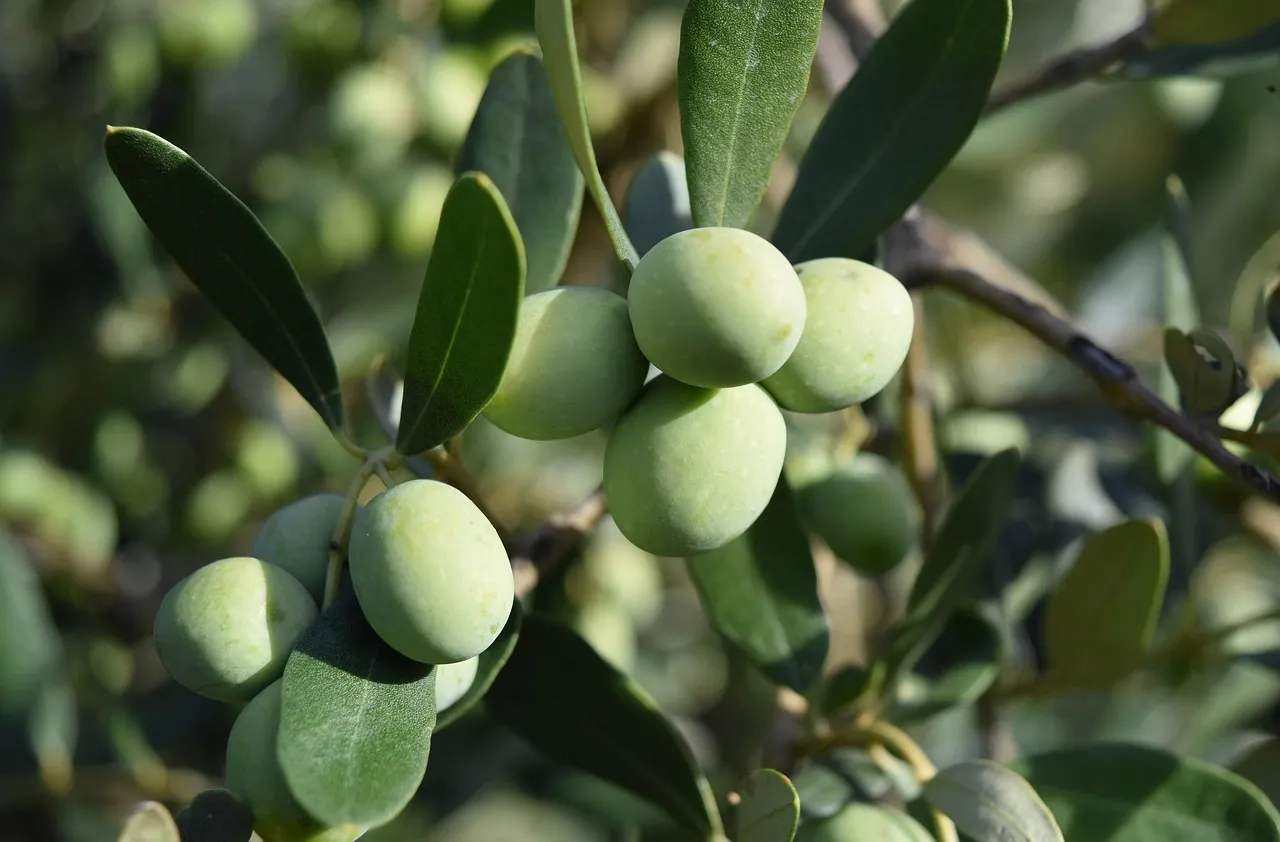
Every country on this list grows olives, and most of them export the oil. The groves run from Seville's plain to the terraces above Positano and the hills around Antalya. One tree can live for centuries, and the oil from it is the single ingredient every kitchen here agrees on, whether it sits on tapas, meze, or a slice of grilled bread.
Islands, hundreds of them
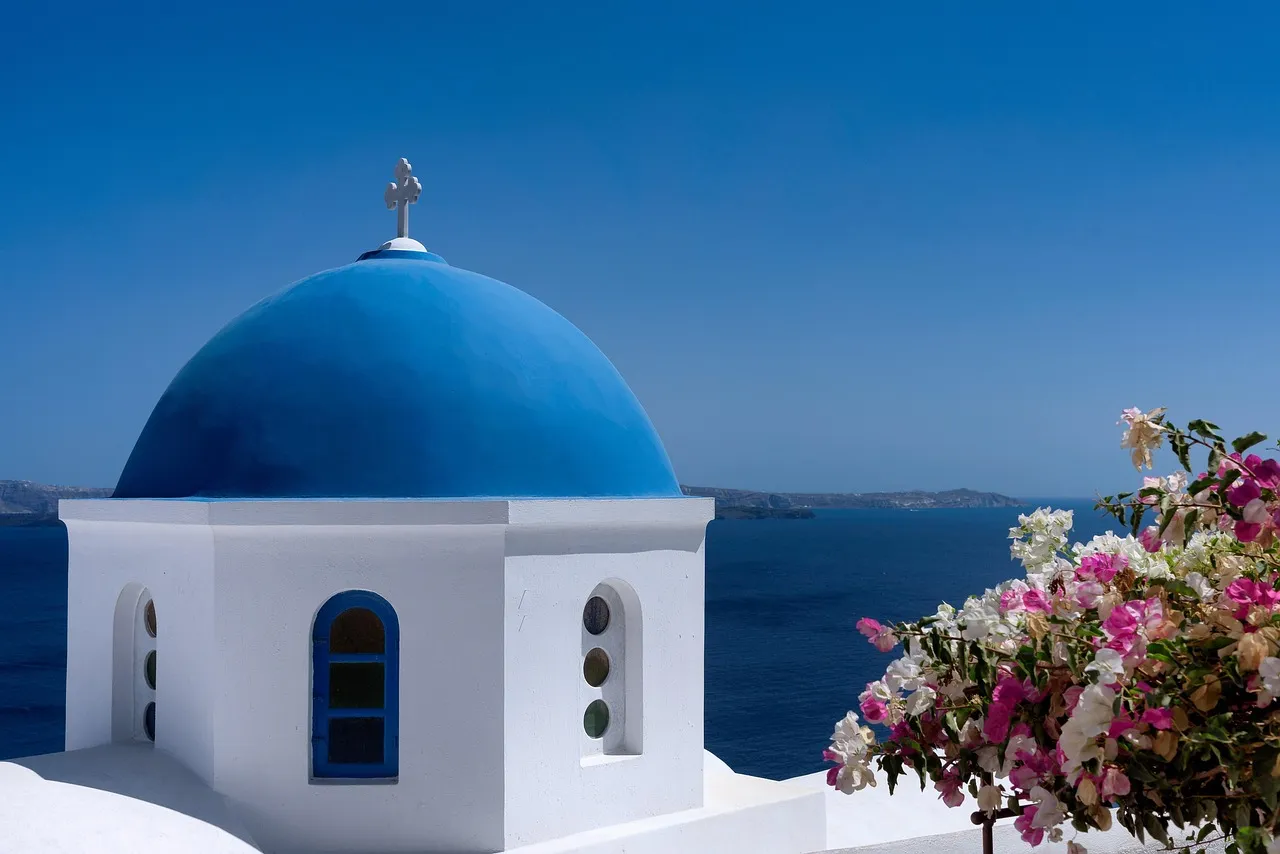
The Mediterranean is an archipelago disguised as a sea. Greece alone has over 200 inhabited islands, Croatia counts more than a thousand along the Dalmatian coast, and Italy adds Capri, Sardinia, and Sicily. The ferries that connect them are the region's real public transport: cheap, endless, and part of the point.
One sea, many empires
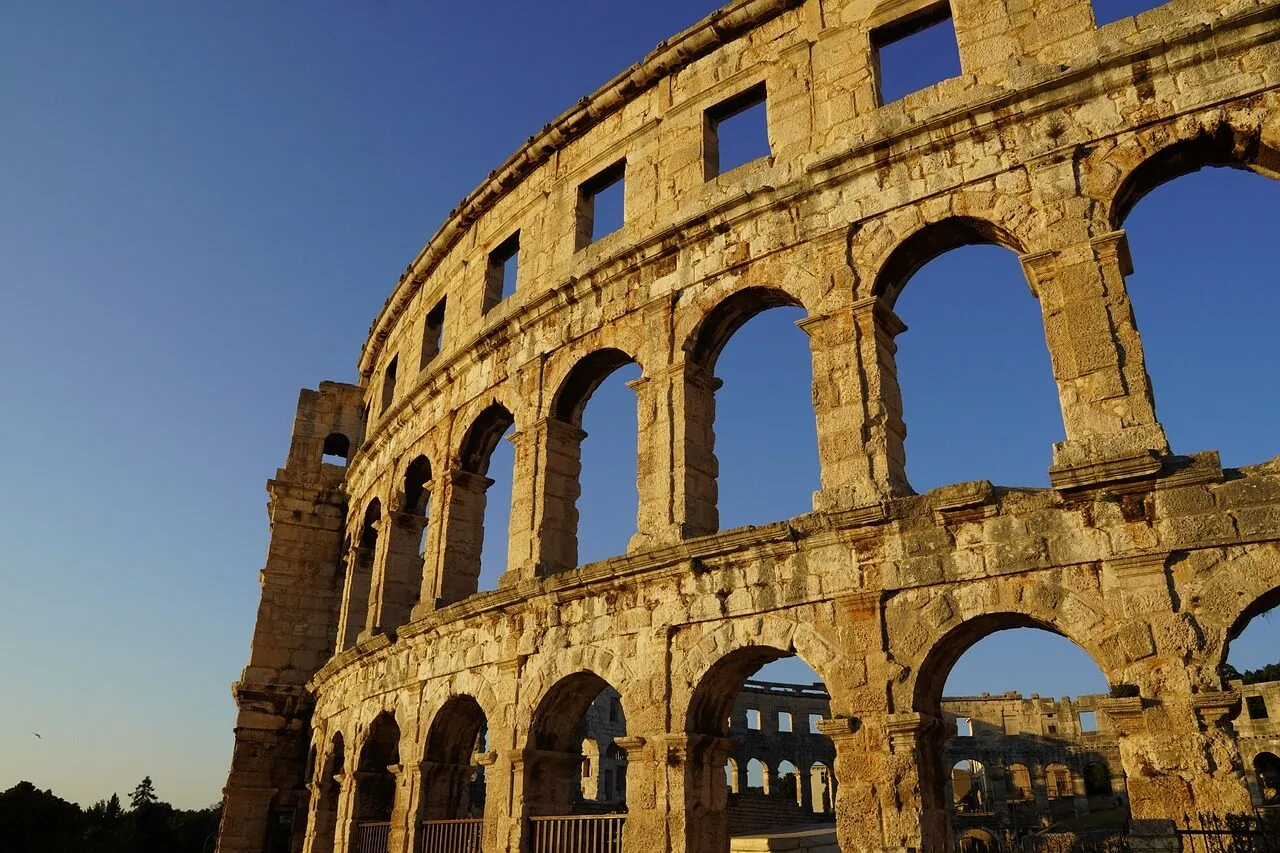
Romans, Greeks, Moors, and Venetians all built along this water, and their ruins still sit within sight of it. A single trip can go from the Alhambra's Moorish palaces in Granada to Greek temples on Sicily, Roman amphitheaters in Croatia, and Lycian tombs cut into the cliffs of Turkey. There are more intact ancient cities here than anywhere else in the world.
The late table
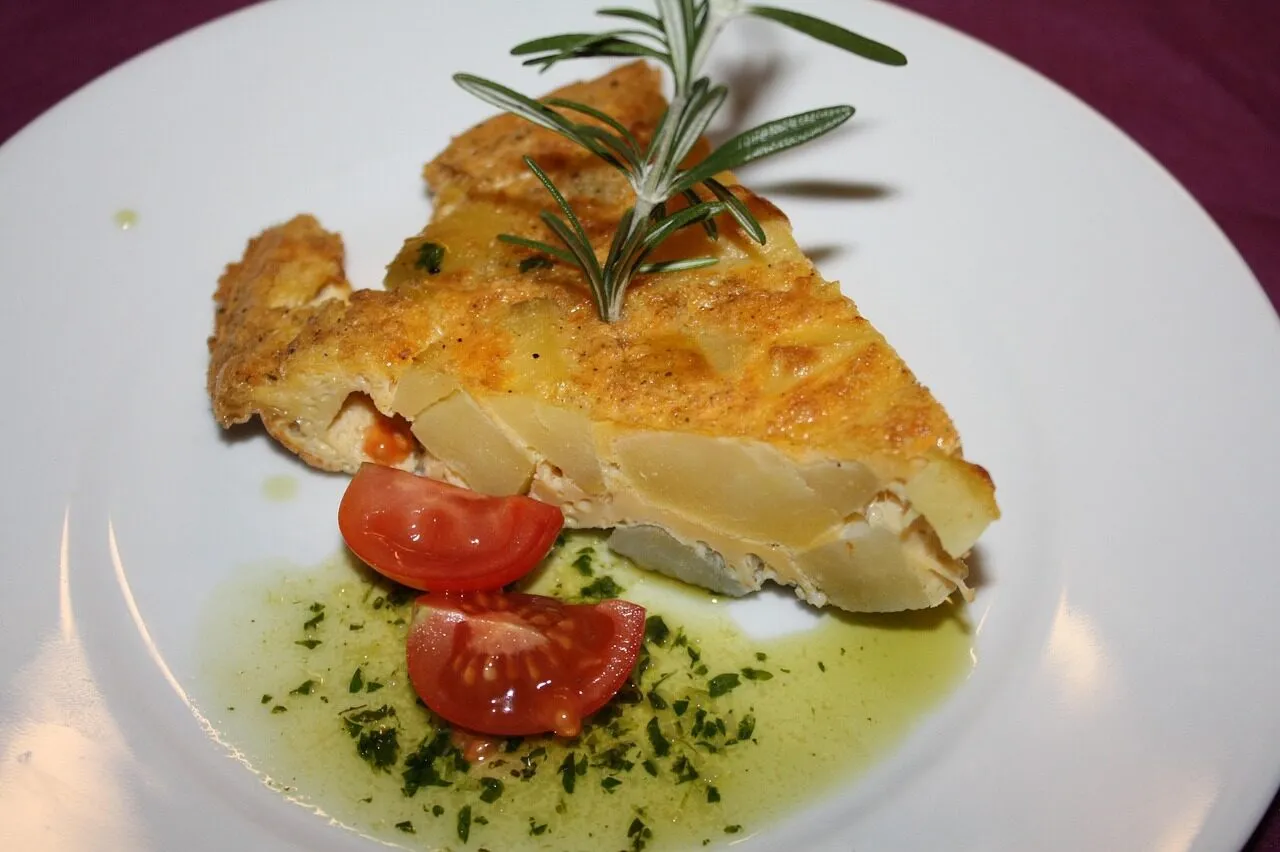
Dinner starts late, and nobody apologizes. In Spain it is tapas at ten, in Greece meze with the plates shared, in Italy long pasta courses that resist a schedule. The food changes every two hundred kilometers, from seafood rice in Valencia to grilled fish on the Aegean, but the pattern is constant: olive oil, small plates, and meals that are not a transaction but an evening.
The turquoise edge
The coast is the whole point, and it is why the sea is blue and loud in the photos. Cliffs dive straight into water off Positano and the Algarve, pebble coves fill the Dalmatian islands, and Turkey's Lycian coast hides bays that are only reachable by boat. Rent a small boat or take a day trip; the water is best seen from its own level.

Better value than the reputation
The Mediterranean is cheaper than its northern neighbours once you leave the famous two weeks of high summer. Portugal and Greece undercut everything, Croatia is a step above since joining the euro, and Turkey remains the region's bargain: a full meal with wine and a sea view for a fraction of what the same table costs in France or Monaco. Go shoulder season and the prices drop again.