Spain
Tapas, flamenco, and palaces of gold
About Spain
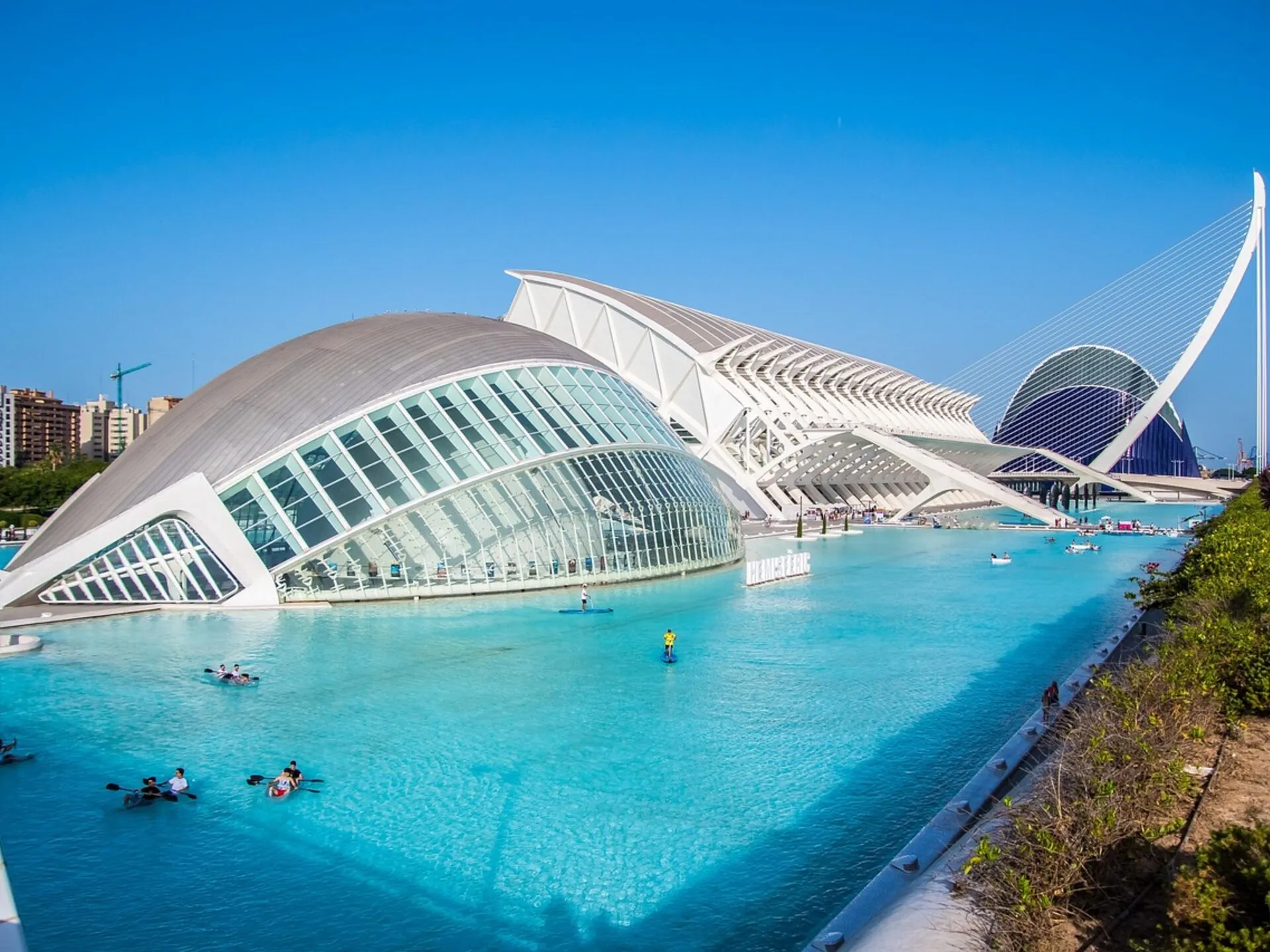
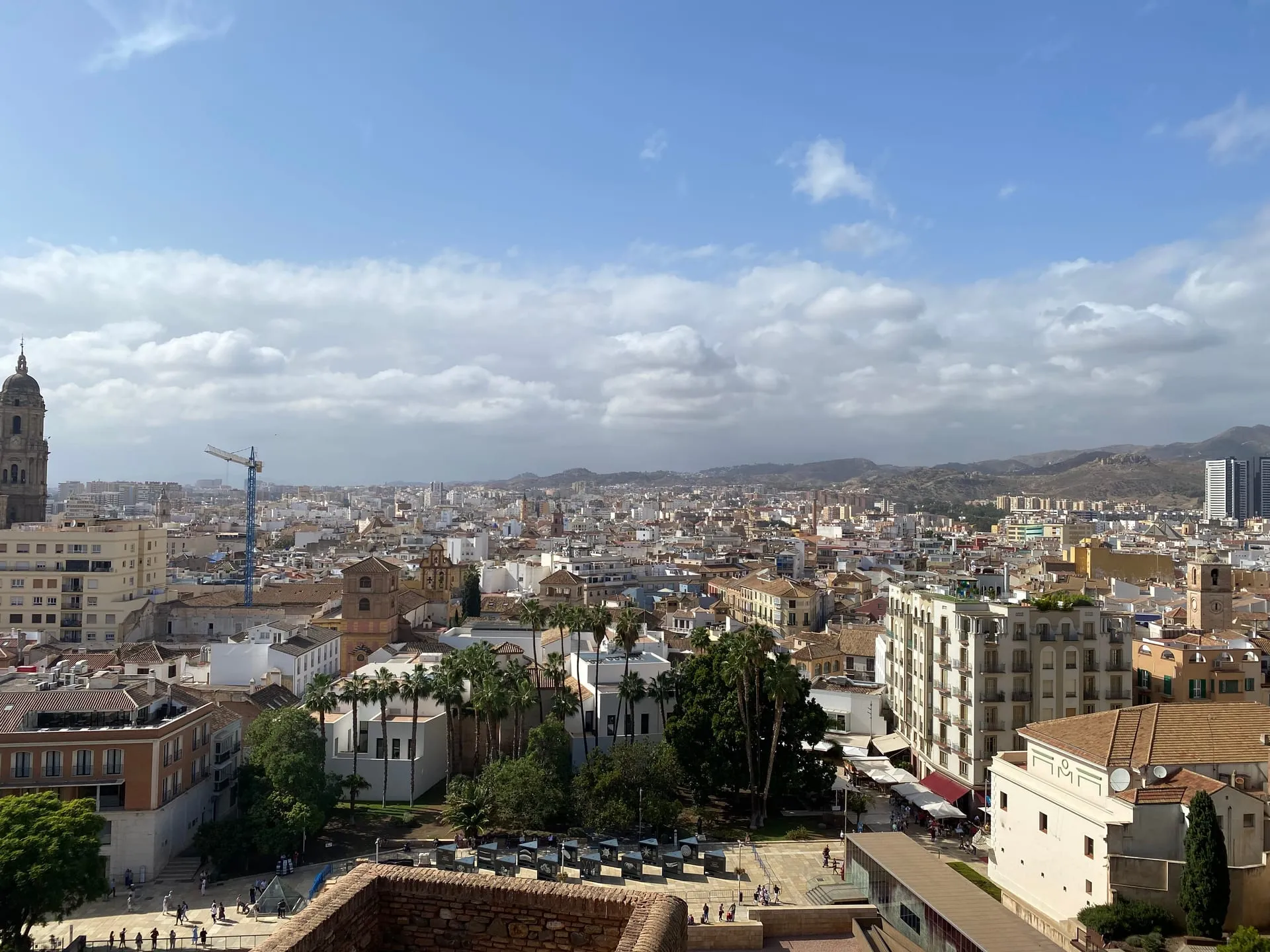
Spain's Mediterranean edge runs from the Costa Brava down through Barcelona and Valencia to the Andalusian south, and the south is where most first trips land. Seville, Granada, and Malaga sit within a few hours of each other and cover palaces, the Alhambra, and the beach in one loop.
The rhythm is late. Lunch runs into the afternoon, dinner rarely starts before 21:00, and the free tapas that arrive with a drink in Granada are a local habit rather than a nationwide rule. The heat decides the shape of the day more than any itinerary does, so build in a long midday break in summer.
When to go
March to May and October are the best months across the south, with warm days and manageable queues. July and August are the reason Seville is famous for heat, with temperatures that regularly push past 40 degrees Celsius, while Granada averages around 35 and Malaga sits nearer 31. In high summer, sightsee before noon and after 19:00 and treat the middle of the day as a break. Winter is mild on the coast and cold in Granada, which sits at altitude under the Sierra Nevada.
Getting around
Spain's high-speed AVE network makes the cities easy to link. Madrid to Seville runs about 2 hours 20, Madrid to Malaga about 2 hours 30, and Madrid to Granada about 3 hours 15, with fares that start low when booked well ahead on Renfe. From Malaga airport the Cercanias C1 train reaches the centre in about 12 minutes for 1.80 EUR, Seville's EA bus costs 6 EUR, and a taxi is a short ride from most city airports. The historic centres are walkable, and the train is almost always better than the bus between regions.
What it costs
Planning figures for 2026, per person per day and excluding flights and accommodation: a backpacker day runs about 50 to 70 EUR, a comfortable day 80 to 120 EUR, and a mid-range day 130 to 200 EUR depending on the city. Seville and Malaga sit in the moderate band, Granada climbs once the Alhambra and a flamenco show are added, and accommodation is the line that moves most with the season. Prices are in euros, and cards are accepted almost everywhere.
Where to stay
Base in the old city and walk. In Seville, Santa Cruz and El Arenal put the Alcazar and the cathedral on the doorstep, with Triana across the river for cheaper rooms and better bars. In Granada, stay within reach of Plaza Nueva so the Alhambra buses and the Albaicin path are close, and expect the Albaicin itself to be atmospheric but steep. In Malaga, the Centro Historico is the convenient default, and La Malagueta adds the beach five minutes away.
Practical information
| Getting around | High-speed AVE trains link Madrid with Seville, Malaga, and Granada, and city centres are walkable, with buses and metros covering the rest. Book rail early for the cheap fares. |
|---|---|
| When to go | March to May and October for warm days and thinner crowds. July and August are genuinely hot inland, especially in Seville, so shift sightseeing to the early morning and evening. |
| Money | Euro. Cards work almost everywhere, with cash useful for small bars and markets. Tipping is a round-up or small change, not a fixed percentage. |
| Language | Spanish. English is common in tourist areas and limited in smaller towns, so a few phrases help. Meals run late, with dinner rarely before 21:00. |
| Safety | Cities are safe for normal travel, with the usual caution about pickpockets in crowds and on public transport. In summer the heat is the main risk, so carry water and avoid the midday sun. |
Points of interest
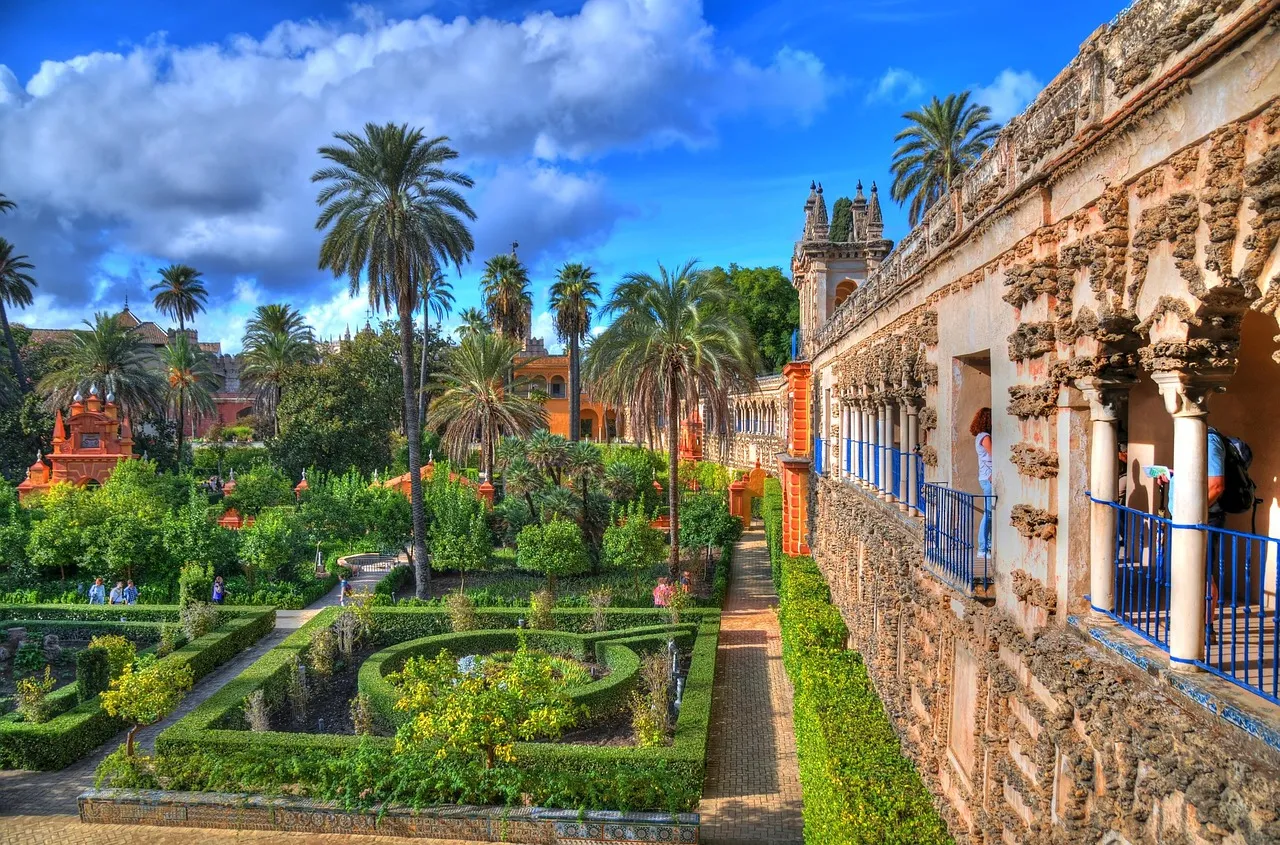
- Seville - the Alcazar, the Giralda tower, and the biggest historic center in Spain
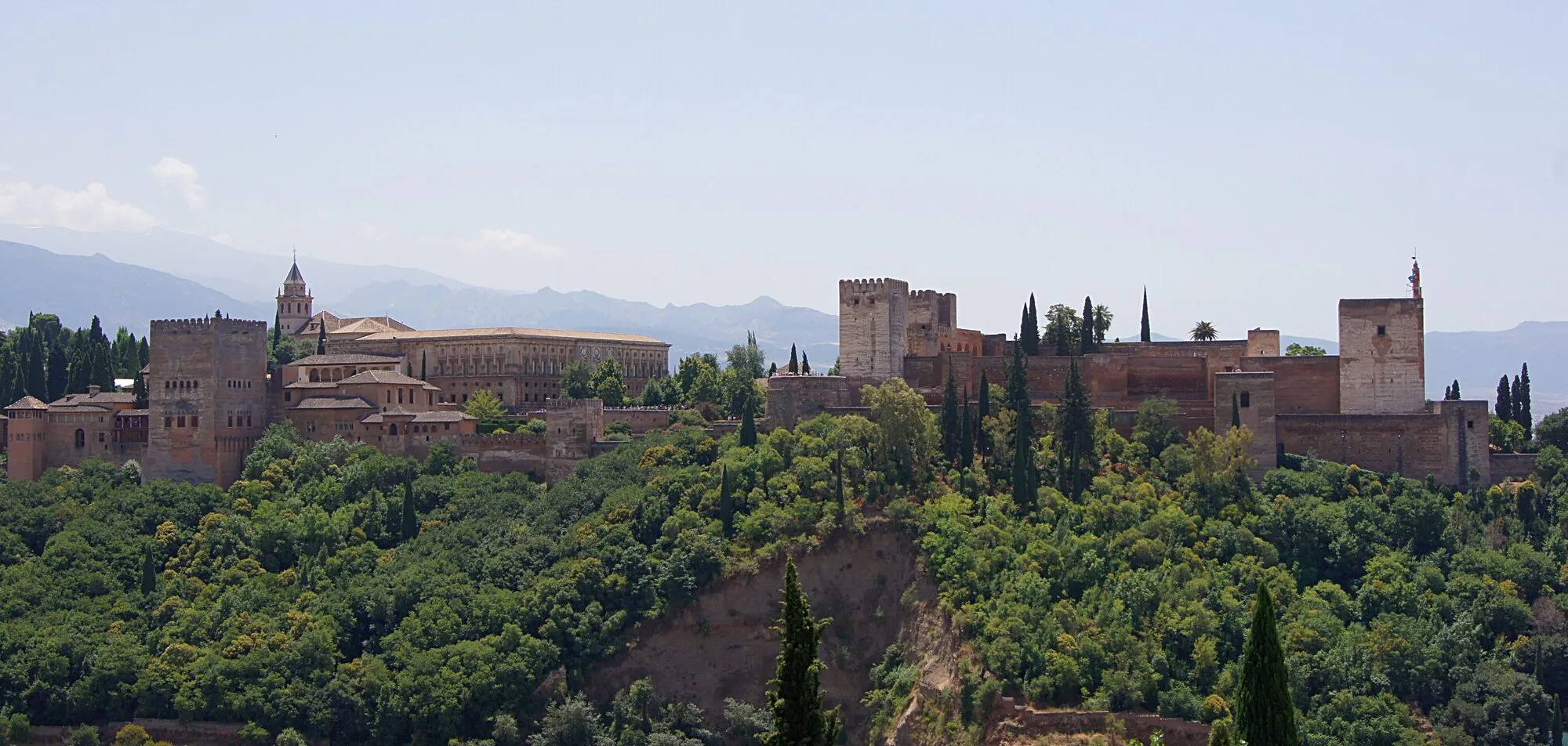
- Granada - the Alhambra, a Moorish palace complex on a hilltop
- Barcelona - Gaudi architecture and the Mediterranean port
- Andalusian coast - white villages, hidden coves, and sherry towns
- Tapas culture - a whole eating style built on small plates and long evenings
Read next