Italy
La dolce vita, coast to coast
About Italy
Italy's Mediterranean runs from the Ligurian coast through Rome and down to the Amalfi shore, then across to Sicily, and the country holds more UNESCO World Heritage sites than any other. For a first trip the classic triangle is Rome, the Amalfi Coast, and Sicily, but it is worth choosing one stretch of coast and staying there rather than racing the map.
The country changes by the region, and so does the food. What stays constant is the shape of the day: mornings for the big sights, a long lunch, and the evening in the piazza. The high-speed trains make Rome a realistic base for day trips to Naples and Florence.
When to go
April to June and September to October give the best mix of weather and manageable crowds. July and August are hot and full, with temperatures in Rome pushing past 35 degrees Celsius and Italian holiday traffic around Ferragosto on 15 August. The sea is warmest from July through September and stays swimmable into October on the southern coasts. Book the big sights, the Colosseum, the Vatican, and the Pantheon, as soon as your dates are fixed.
Getting around
Rome is the centre of the high-speed network: Naples is about 1 hour 10 away, Florence about 1 hour 30, and the Leonardo Express from Fiumicino airport reaches Termini in 32 minutes for 14 EUR, with the cheaper FL1 regional train at 8 EUR. For the Amalfi Coast, aim for Salerno rather than Naples, since high-speed trains from Rome reach it in about two hours and the ferries and SITA buses work the coast from there. Sicily has its own airports at Catania and Palermo, plus an overnight train from Rome that is loaded onto a ferry across the Strait of Messina.
What it costs
Planning figures for 2026, per person per day and excluding flights and accommodation: a budget day runs about 55 to 75 EUR in the cities, a comfortable day 90 to 130 EUR, and a mid-range day 150 to 220 EUR. The Amalfi Coast runs higher, from about 90 EUR on a backpacker day to 200 to 320 EUR mid-range, while Sicily is cheaper, at roughly 40 to 65 EUR budget and 80 to 125 EUR comfortable. Accommodation, not food, is the line that breaks the budget on the coast.
Where to stay
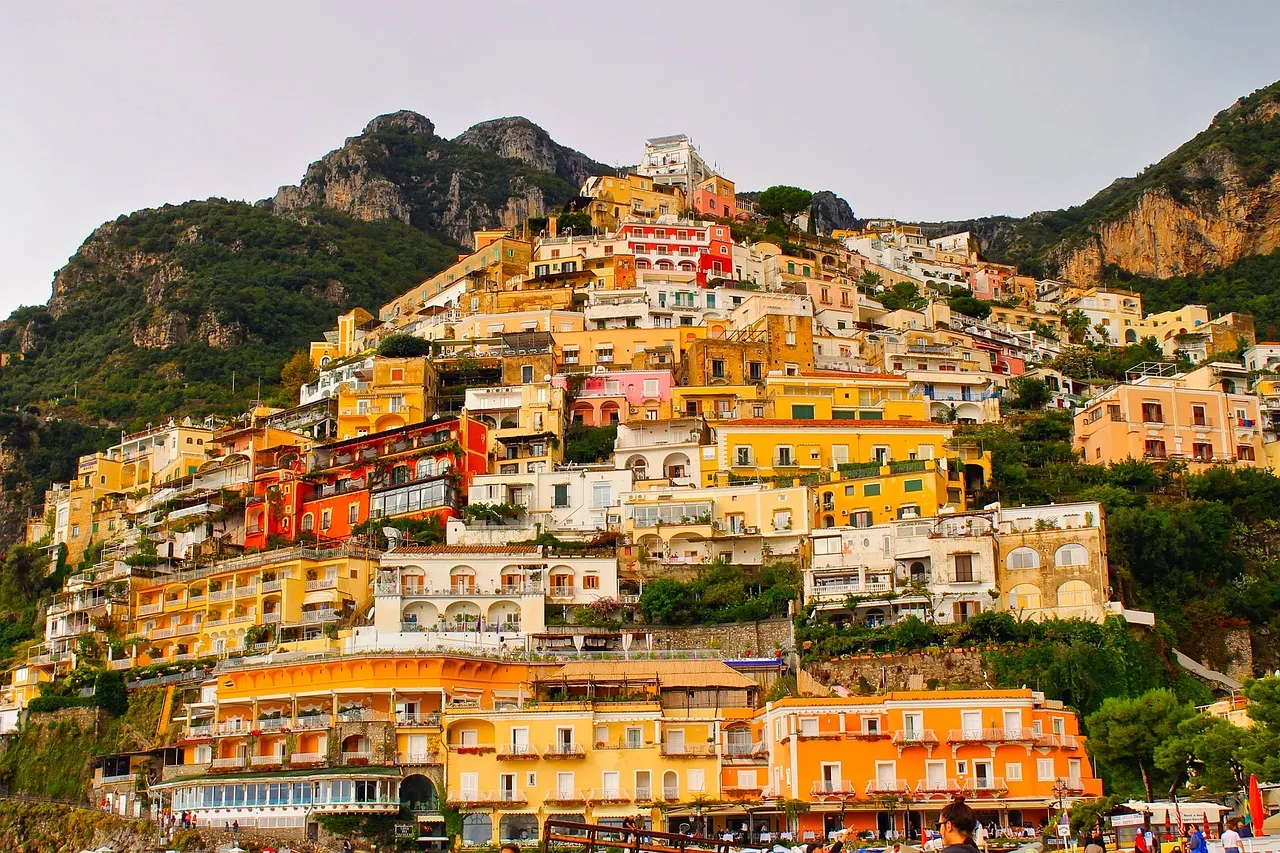
In Rome, the centro storico and Monti save the most time on a short trip, and Trastevere suits evenings. On the Amalfi Coast, Amalfi is the best all-rounder for ferries and buses, Positano is the most beautiful and most expensive, and Sorrento and Salerno are the practical bases with rail links. In Sicily, Catania is the transport hub for the east, Palermo the only real city base for the west, and Syracuse and Ortigia the most charming base for the south-east.
Practical information
| Getting around | High-speed trains link the main cities with Rome as the hub. On the Amalfi Coast there is no train to Positano or Amalfi, so use ferries and the SITA buses from Sorrento or Salerno, and expect crowds on the coastal road in summer. |
|---|---|
| When to go | April to June and September to October. July and August are hot and busy, with peak prices on the coast and Ferragosto traffic around 15 August. |
| Money | Euro. Cards are widely accepted, though small trattorias and markets may prefer cash. A coperto, a small cover charge, is normal at sit-down meals, and tipping is optional. |
| Language | Italian. English is common in tourist areas and less so in small towns. Coffee is often drunk standing at the bar, and lunch is the main meal of the day for many. |
| Safety | Cities are safe for normal travel, with the usual caution about pickpockets in crowded stations and squares. In summer the heat is the main risk, and the Amalfi coastal road is winding, so take the ferry when you can. |
Points of interest
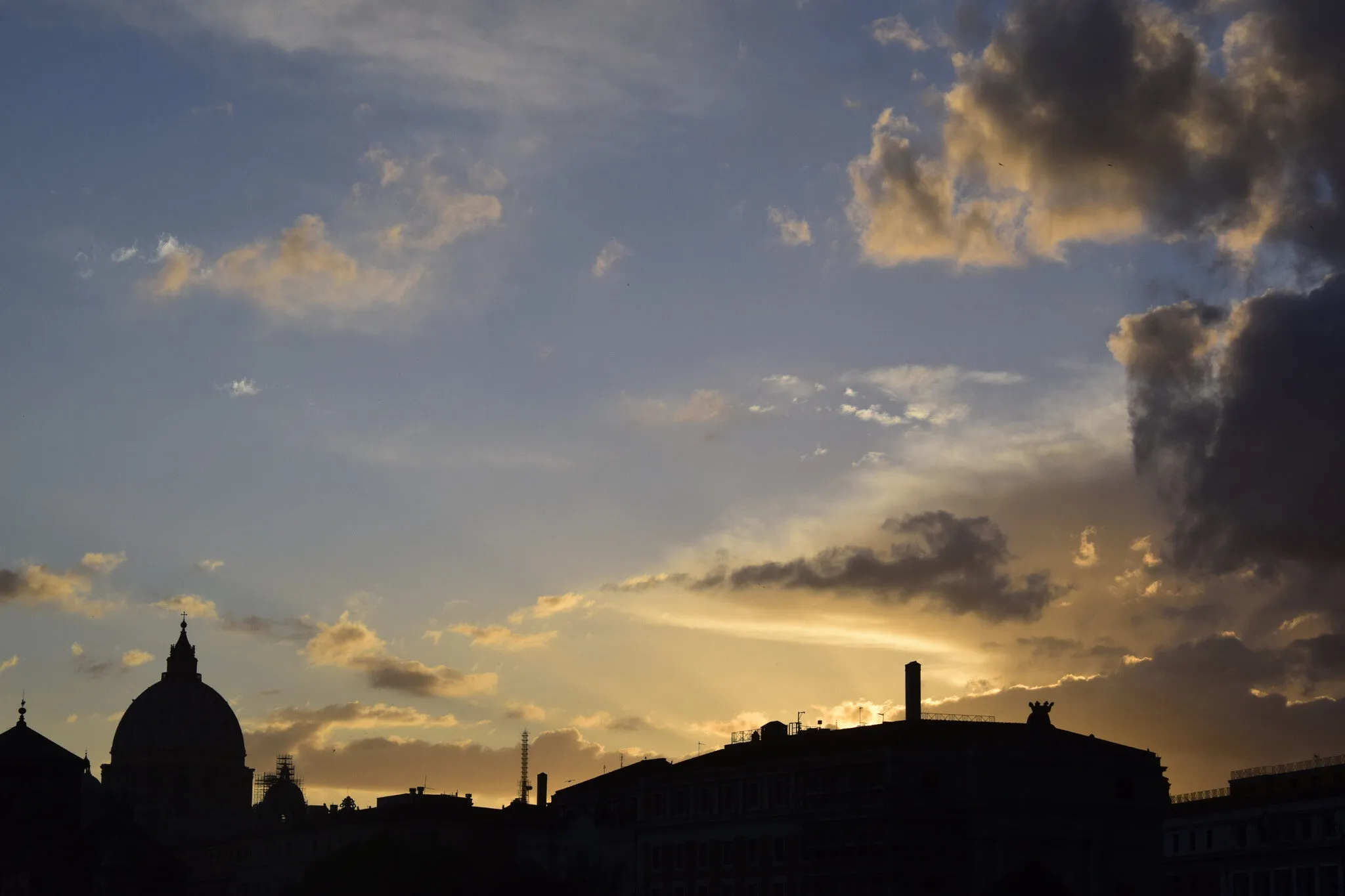
- Rome - the Colosseum, the Pantheon, and three thousand years of layers
- Amalfi Coast - Positano, Ravello, and cliff roads above the Tyrrhenian Sea
- Tuscany - hill towns, vineyards, and the art cities of Florence and Siena
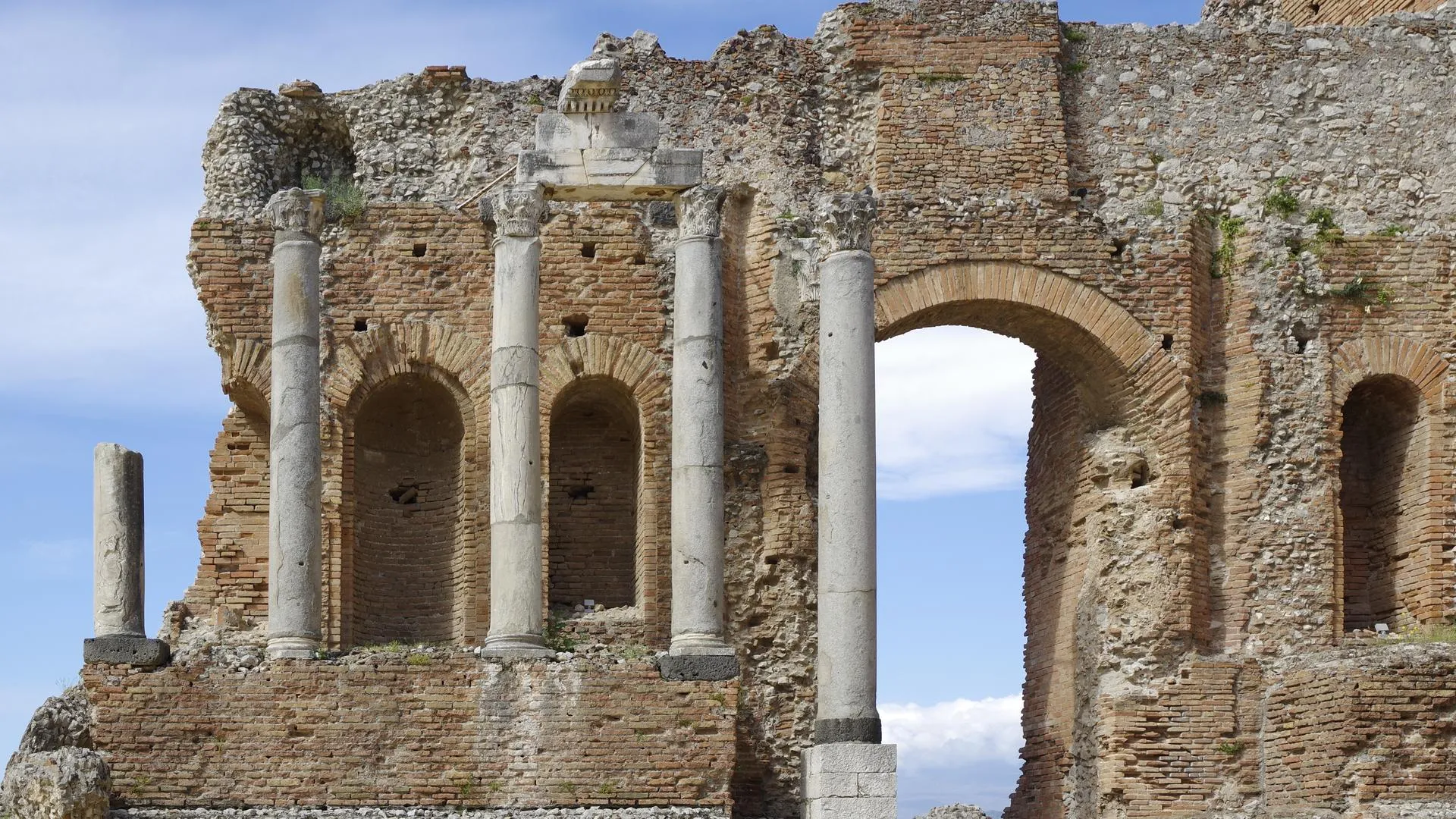
- Sicily - Greek temples, Mount Etna, and the moment Europe gets truly hot
- Cucina italiana - regional food that resists being reduced to one menu
Read next