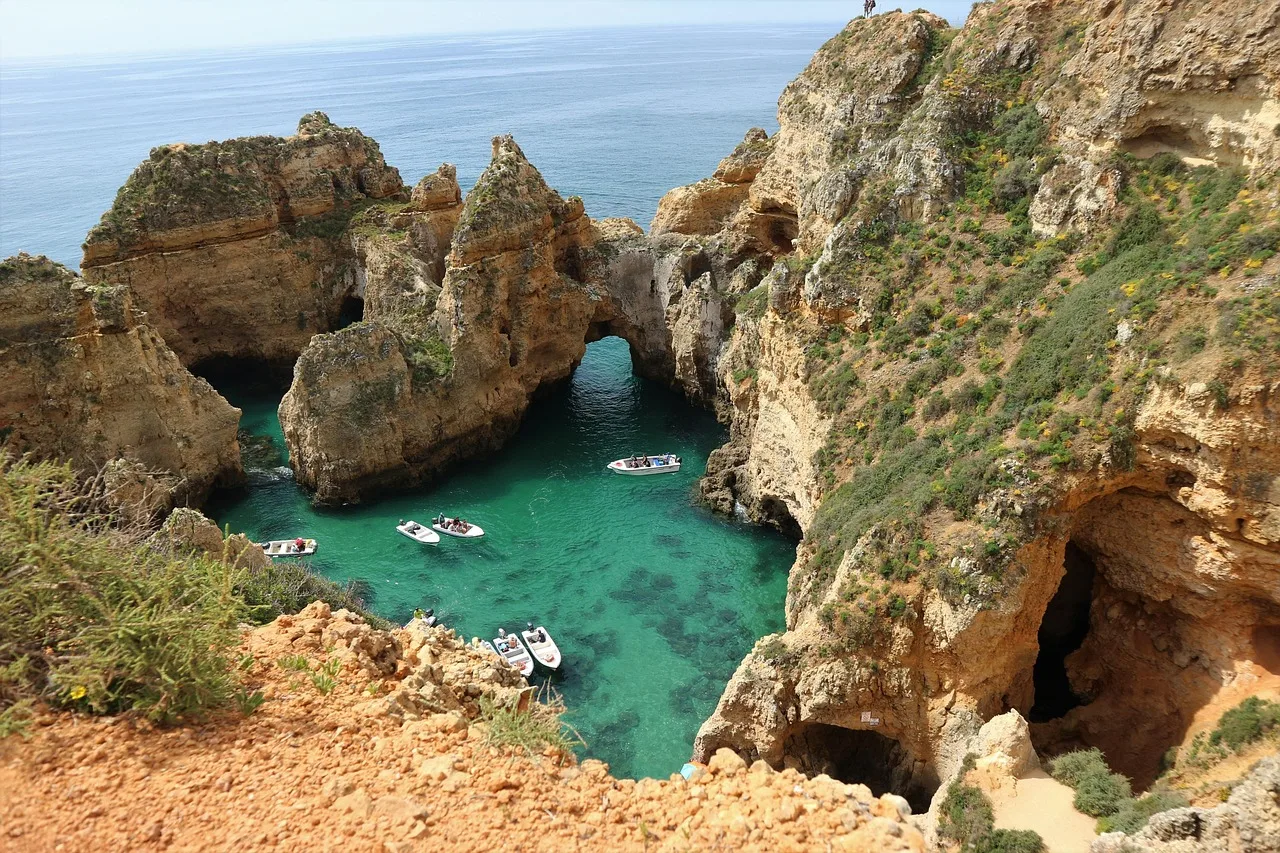
Lisbon is the capital of Portugal and its largest city, with around 545,000 people in the municipality and 2.87 million in the wider metropolitan area, according to the 2021 census from Statistics Portugal. It spreads across a set of hills above the Tagus estuary, where Phoenician, Roman, Moorish, and Atlantic histories sit stacked on top of each other.
The light and the inclines define a visit. You will climb a lot of stairs and ride a lot of trams, and the viewpoints often beat the monuments. Lisbon is also a strong base for day trips, with the palaces of Sintra about 40 minutes away by train and the Atlantic beaches a short hop west.
This guide gives you the numbers that matter for 2026 with the source attached, because transport fares and monument prices changed at the start of the year. What Belem and the castle cost, how the tram and metro fares work, Sintra tickets, the airport transfer, and a daily budget range, plus the small timing decisions that make the hills easier. Every figure is checked against an official 2026 page, and the ones worth rechecking before you book are linked as you go. If you are planning the wider trip, compare all seven countries in the country index.
Plan and book
3 partners- Flights
Find a direct route into Lisbon from wherever you start, and compare the shoulder-season fares before you commit.
Search flights - Tours and tickets
Tram and walking tours, Sintra day trips, and fado nights, with skip-the-line entry where it helps.
Browse tours - Where to sleep
Rooms in Baixa, Chiado, Alfama, and Principe Real, sorted by area, price, and review score.
Find a room
Belem and the Age of Discoveries
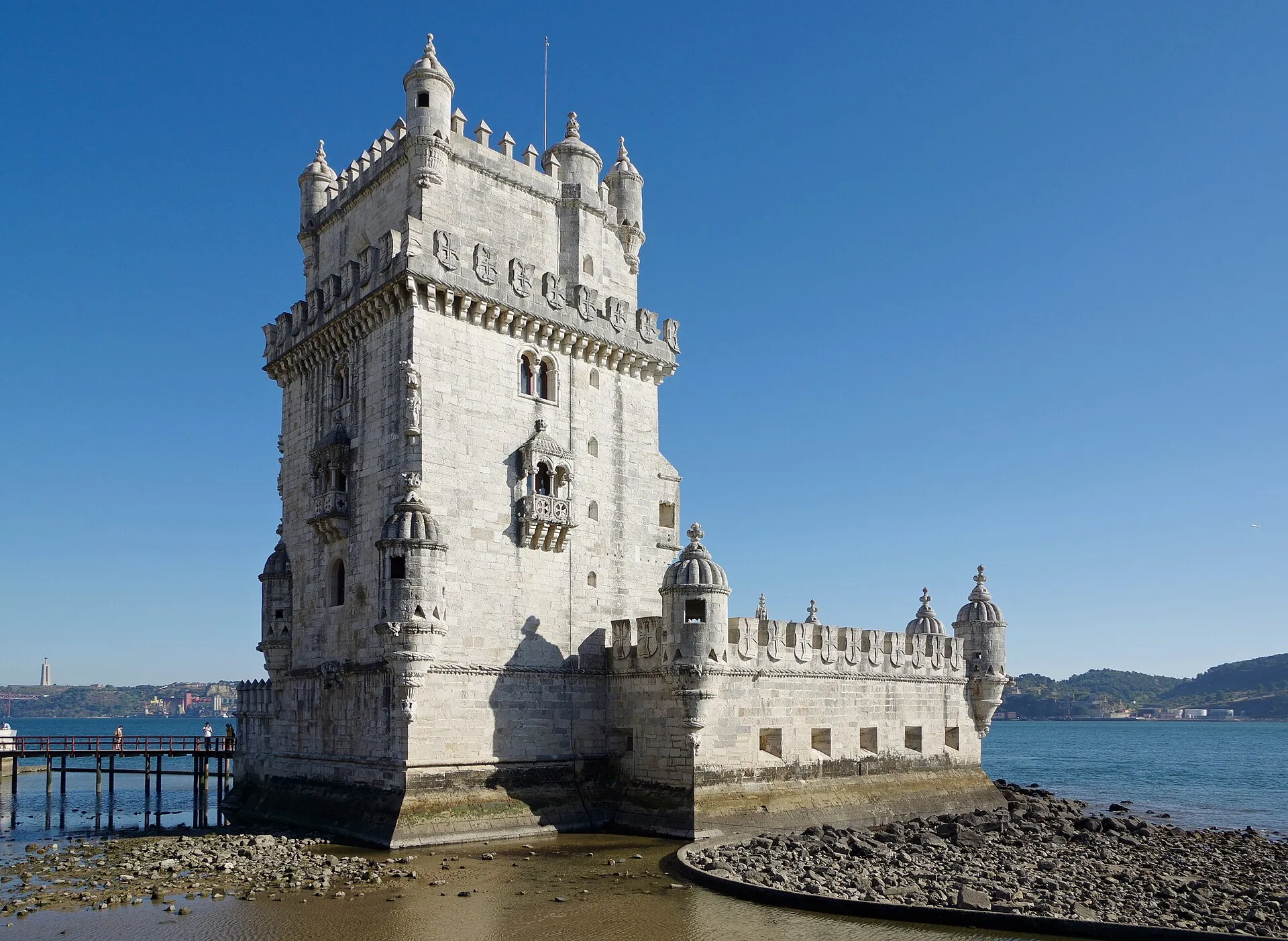
Belem is the flat riverside district of the Age of Discoveries, about 20 minutes from the centre by tram or train. The two monuments to book are the Jeronimos Monastery and the Belem Tower. The monastery costs 18 EUR and opens Tuesday to Sunday from 09:30 to 17:30, per Museus e Monumentos de Portugal. The tower costs 15 EUR and stands a short walk along the water.
Buy the monastery ticket online and go at opening, because the cloister fills quickly. The church inside is free and worth a look even if you skip the paid cloister. Outside, the Padrao dos Descobrimentos and the riverside gardens are free to walk, and the original Pasteis de Belem bakery sits two minutes from the monastery door.
Belem rewards a half day rather than a quick stop. The maritime museum and the national coach museum stand in the same quarter, so you can pair one with the monastery and still be back in the centre for the evening. Take tram 15 or the train from Cais do Sodre.
Alfama and the castle
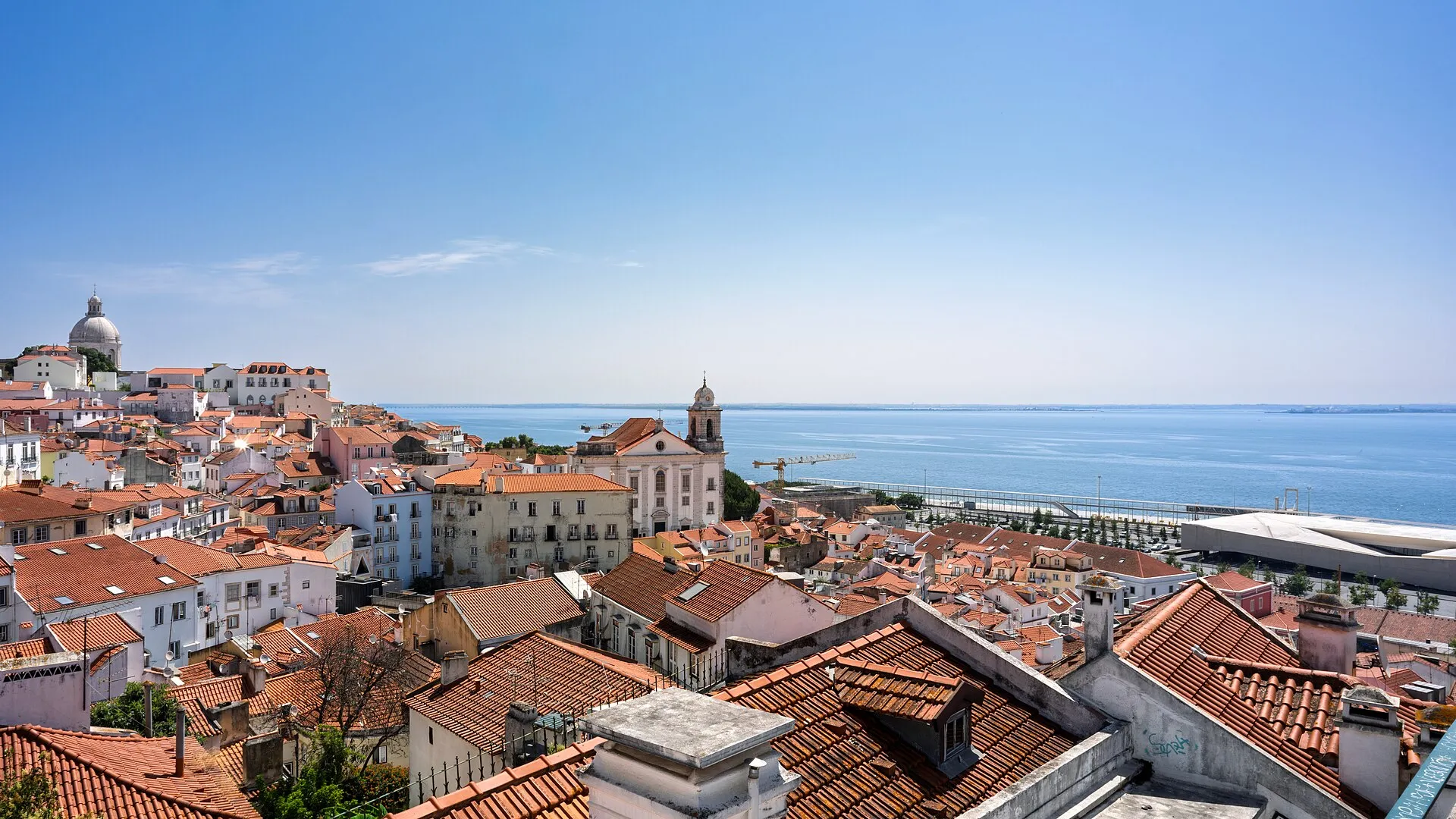
Alfama is the oldest district, a hillside of narrow lanes between the castle and the river. It survived the 1755 earthquake largely intact, which is why the street plan still feels medieval. The Se, Lisbon’s cathedral, anchors the lower edge, and the lanes climb from there toward the castle gates.
Castelo de Sao Jorge tops the hill, and it is the one paid stop most first-timers make. The adult ticket is 17 EUR, with youth aged 13 to 25 at 8.50 EUR and seniors 65 and over at 14 EUR. Entry is free for children up to 12 and for Lisboa Card holders, per the official castle site. From March to October it opens 09:00 to 21:00, and from November to February 09:00 to 18:00. The ticket includes a guided tour and the camera obscura.
Go early or in the two hours before closing. The grounds are large, the peacocks are loud, and the view over the rooftops and the Tagus is the best reward for the climb. The lanes back down through Alfama are the place to get lost on purpose, and the Santa Luzia and Portas do Sol terraces are on the way.
Baixa, Chiado, and Bairro Alto
Baixa is the grid of streets rebuilt after the 1755 earthquake, running from the river up to Rossio and the Avenida da Liberdade. It is the flat, walkable part of the centre, and the Baixa-Chiado metro station ties the whole area together. The Arco da Rua Augusta and the riverside Praca do Comercio are free to walk.
Chiado next door is the shopping and cafe district, home to the old bookshops and the historic Brasileira cafe. Bairro Alto sits above it on the hill, quiet by day and the centre of nightlife after 22:00. The Pink Street at Cais do Sodre is the late-night strip, and LX Factory under the bridge is the converted industrial quarter for brunch and browsing.
Away from the old centre, the Calouste Gulbenkian Museum and the Berardo collection are the rainy-day choices, and the oceanarium at Parque das Nacoes is the family stop. All three are a metro ride from Baixa, and the Gulbenkian gardens are free.
Viewpoints and the trams
Lisbon’s viewpoints, the miradouros, are the best free attraction in the city. The terrace at Sao Pedro de Alcantara looks over Baixa and the castle, while Santa Luzia and Portas do Sol frame Alfama and the river. Senhora do Monte is the highest and quietest of the central ones.
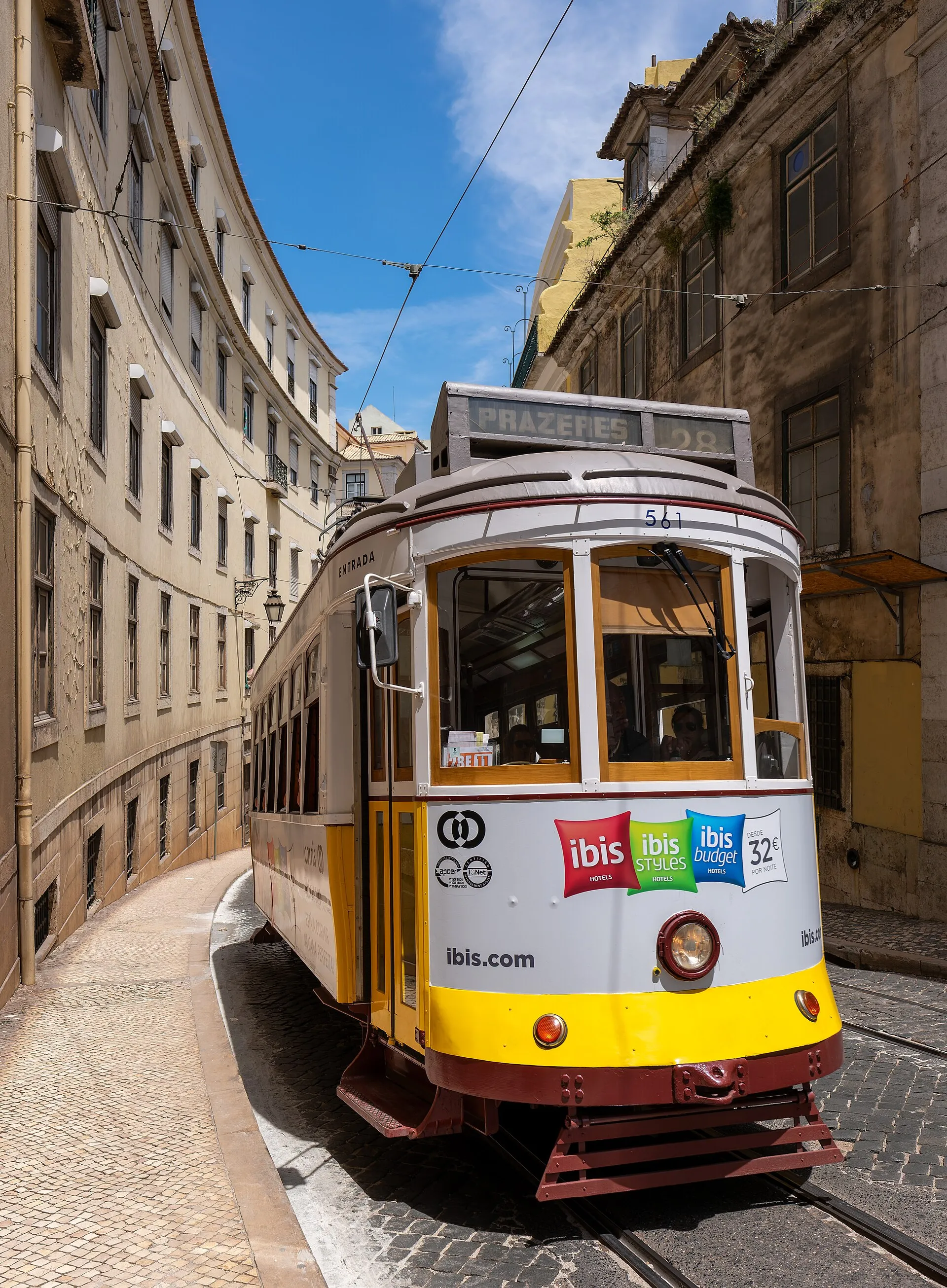
Tram 28 is the famous way to cover the hills. It runs about 7 km from Martim Moniz to Campo de Ourique, takes 45 to 50 minutes, and passes through Graca, Alfama, Baixa, and Estrela. Buy a ticket before you board. The on-board fare is 3.30 EUR, a prepaid Carris and Metro ticket is 1.90 EUR, and a 24 hour pass is 7.25 EUR, per the official Carris 2026 price table. The tram is a commuter service rather than a tour, and it is the city’s pickpocket epicentre, so keep bags in front of you.
The Elevador de Santa Justa, the iron lift between Baixa and Chiado, costs 6.20 EUR on board, and the funiculars cost 4.30 EUR. Both are included in the 24 hour pass and in the Lisboa Card, which costs 31 EUR for 24 hours, covers the transport network, and gives free entry to the Jeronimos Monastery, the Belem Tower, and the castle, per the official Lisboa Card.
Portuguese food
Portuguese cooking is hearty and cheap by western European standards, and Lisbon is where the classics are easiest to find. Start with a pastel de nata, the custard tart, served warm and dusted with cinnamon. The original is at Pasteis de Belem, but the bakeries on almost every corner are close enough.
Beyond the tart, look for bacalhau a Bras, salt cod with eggs and potato; grilled sardines, best in June; the bifana, a garlicky pork sandwich; caldo verde, the kale and potato soup; and the cataplana, a seafood stew cooked in a copper pot. Ginjinha, a sour cherry liqueur, is sold in tiny bars around Rossio for about 1.50 EUR a glass.
Prices stay friendly outside the main squares. An espresso at the counter is about 1 EUR, a bifana around 4 EUR, and a lunch of the day is 10 to 15 EUR. Dinner with wine runs 20 to 35 EUR a head, more in Chiado and less in Alfama and the side streets. The Time Out Market near Cais do Sodre gathers many of the city’s kitchens under one roof, and the Ribeira Market next door is where the produce still changes hands in the morning.
Fado
Fado is the Lisbon sound, a mournful guitar song that grew up in the dockside districts. Its two historic homes are Alfama and Mouraria, and the small rooms there beat the big tourist stages. A one hour show costs roughly 20 to 50 EUR, and dinner shows run higher.
If you want the real thing, book a small house in Alfama or Mouraria and eat before or after rather than during. The music is quiet enough that talking over it is the one thing the room will not forgive. The performers are often the servers, and the lights go down when the song starts.
Day trips
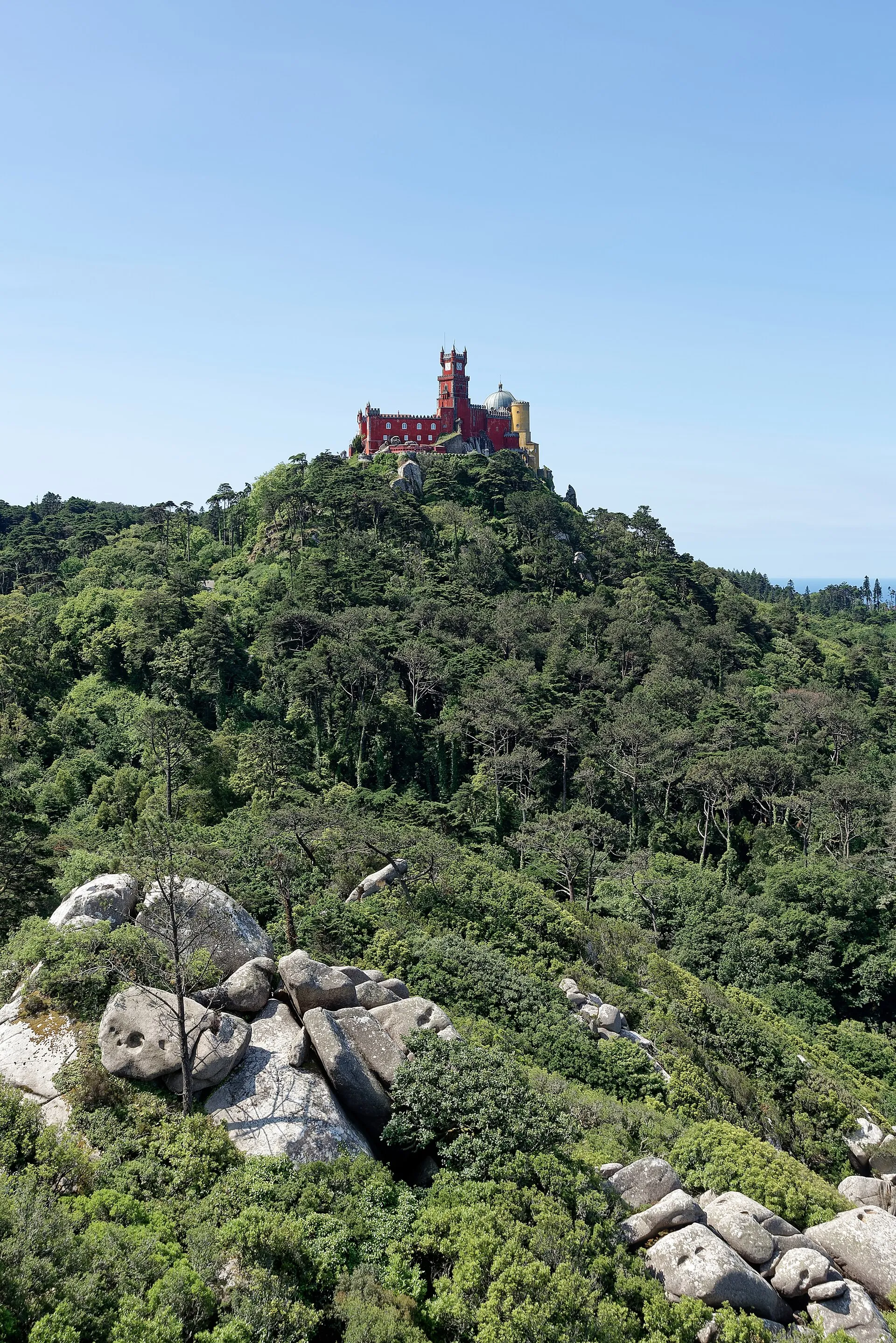
Sintra is the day trip, a hill town of palaces about 40 minutes from Rossio station on the CP train. Pena Palace, the red and yellow romantic palace above the town, costs 20 EUR for the palace and park, or 12 EUR for the park alone, per Parques de Sintra. Quinta da Regaleira, with its initiation wells and tunnels, is 20 EUR for adults and 15 EUR for youth and seniors, per the official Regaleira site. The Moorish Castle is 12 EUR.
Book Pena and Regaleira in advance with a timed slot. From Sintra station, the 434 bus climbs to the palace, and two sites make a full day while three make a long one. The Lisboa Card includes the train to Sintra, which is its best value outside the city.
Cascais is the other easy trip, a fishing town turned resort at the end of the coastal line from Cais do Sodre, about 40 minutes away. It has a sandy bay, the Boca do Inferno cliff, and the promenade west toward Estoril. Further afield, Obidos is a walled town about an hour by bus, and Evora is a Roman and medieval city roughly 90 minutes away with a chapel lined in bones.
Getting there
Lisbon airport sits about 7 km from the centre. The metro red line stops at Aeroporto station inside the terminal and reaches the centre in about 20 to 25 minutes. A single Carris and Metro ticket is 1.90 EUR, and you need a reusable Navegante card at 0.50 EUR, per the official Metro fare table. A taxi or rideshare to the centre runs around 10 to 15 EUR.
By rail, Lisbon is the hub of the country. Trains to Porto take about three hours from Santa Apolonia or Oriente, and the Algarve line runs south from Oriente. Long distance buses use the same two stations. Within the city, the metro has four lines and the Carris network covers buses, trams, and funiculars. The 24 hour pass at 7.25 EUR covers both, and the 11.40 EUR version adds the CP suburban trains, per the Carris price table.
Driving in the centre is best avoided, because parking is scarce and the hills are steep. The city is compact enough that the metro, the trams, and your feet cover almost everything a first visit needs.
Where to stay
Baixa and Chiado put you in the flat centre, close to the river, the metro, and the restaurants. It is the most convenient base and the most expensive. Alfama and Mouraria are atmospheric and close to the castle and the fado houses, but the lanes are steep and taxis cannot always reach the door.
Bairro Alto and Cais do Sodre are for nightlife and come with noise until the small hours. Principe Real and Estrela are quieter and more local, a short walk or tram from the centre. For a beach base, Cascais and Estoril have hotels and a train line back into the city.
Wherever you book, check whether the building has a lift. A cheap fifth floor flat in Alfama is a real climb with a suitcase, and many of the old buildings have no elevator at all.
What a day costs
Planning figures for 2026, per person per day and excluding flights and accommodation: a budget day runs 55 to 75 EUR, a comfortable day 95 to 130 EUR, and a mid-range day 150 to 210 EUR. The comfortable number is the honest one for most first-timers once you add Belem, the castle, a fado night, and a proper dinner with wine. These ranges are planning estimates built from the ticket, transport, and food prices cited in this guide, not an official index.
The season moves the numbers. April to June and September to October give mild days and thinner crowds. July and August are hot, around 28 to 30 degrees, and busy, which makes the hills hardest. Winter is mild and cheaper, with rain and short days. Book the big monuments and any Sintra tickets ahead whenever you come. For more of the country, browse the Portugal guide and all the guides.
Practical information
| Getting around | Lisbon is a walking city with hills, and the metro, trams, and funiculars fill the gaps. A prepaid Carris and Metro ticket is 1.90 EUR, an on-board tram ticket is 3.30 EUR, and a 24 hour pass is 7.25 EUR. Buy a Navegante card at any metro station, validate on board, and keep an eye on your bag on Tram 28 and in Baixa. |
|---|---|
| When to go | April to June and September to October are the best months, with mild weather and manageable crowds. July and August are hot and full, especially around Belem and the castle. Winter is quiet and cheap, but wetter and darker, and some beach bars close. |
| Money | Portugal uses the euro. Cards are accepted almost everywhere, including small cafes and the transport machines, but keep some cash for the ginjinha bars and the smallest tascas. Tipping is not expected: round up a euro or two, or leave about 5 to 10 percent on a good meal. |
| Health and safety | Lisbon is a safe city, with the usual caution for pickpockets on Tram 28, on the metro, and in the busy Baixa streets. The hills and the polished calçada stones are the real risk in the rain, so wear shoes with grip. Tap water is safe to drink, and the summer sun is strong on the open viewpoints. |
| Sightseeing rhythm | Book Belem and the castle for the morning and give the viewpoints the late afternoon. Ride Tram 28 before 09:00 or after 19:00 if you want a seat. Keep one day for Sintra, and check the CP timetable the night before, because the trains fill in summer. |
Disclosure. This blog post contains affiliate links. If you book through them, Mediterranean Vibes may earn a small commission at no extra cost to you; it is how the site stays up.

.jpg)

