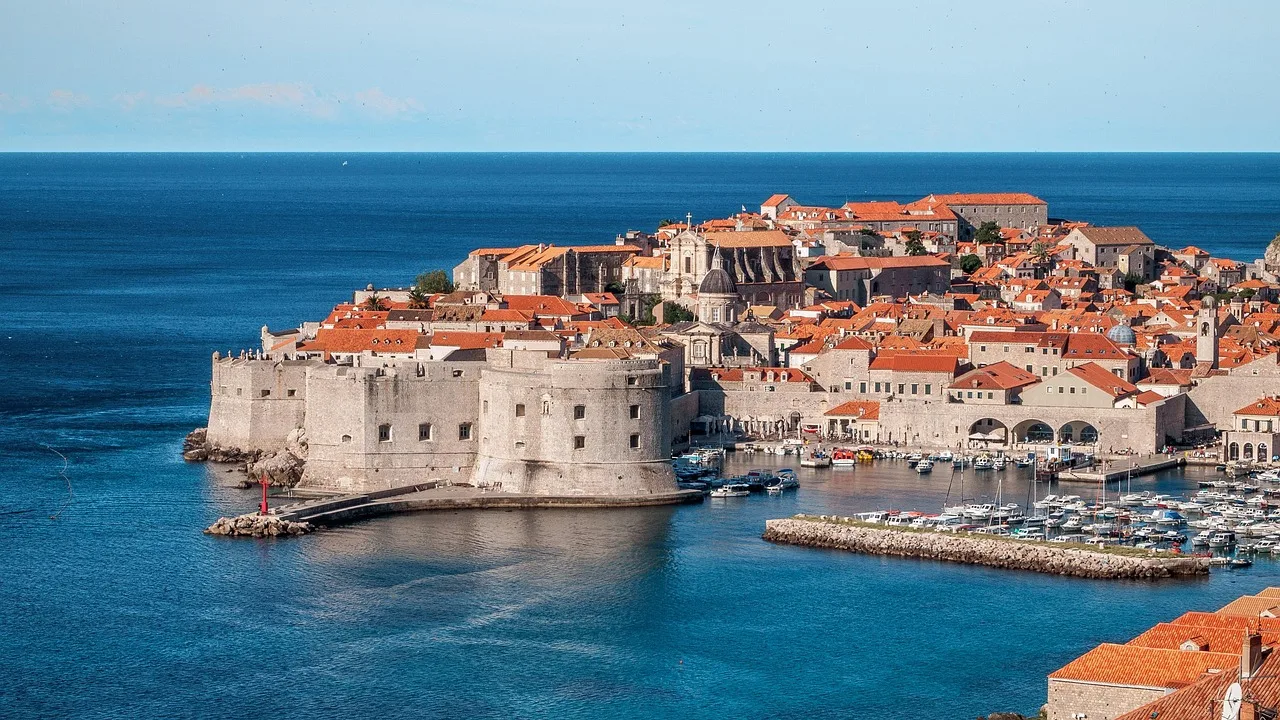
Dubrovnik is a walled city on the southern tip of Croatia’s Dalmatian coast. Around 41,600 people live in the city, and about 28,000 of them in the old town core, according to the 2021 census from the Croatian Bureau of Statistics. Its medieval centre has been a UNESCO World Heritage Site since 1979, and the walls that ring it have become the single most visited walk in the country.
The thing first-timers get wrong is the scale. The old town is small and almost entirely closed to cars, so a day here is a day on foot, and in July and August the polished main street fills with cruise groups and day-trippers by mid-morning. Dubrovnik now manages that pressure on purpose. Under its Respect the City programme it allows no more than two cruise ships and about 4,000 cruise passengers a day. Ships are also asked to stay at least eight hours, so arrivals spread across the day rather than landing in one rush.
This guide gives you the numbers that matter for 2026 with the source attached, because ticket prices, ferry timetables, and the cruise rules all shift from season to season. What the walls and the Dubrovnik Pass cost, how to reach the islands, the airport transfer, the buses, and a daily budget range, plus the timing tricks that make the crowd problem smaller. Every figure is checked against an official 2026 page, and the ones worth rechecking before you book are linked as you go. If you are planning the wider trip, compare all seven countries in the country index.
Plan and book
3 partners- Flights
Find a direct route into Dubrovnik from wherever you start, and compare the summer fares before you commit.
Search flights - Tours and tickets
Walls and Old Town walks, boat trips to Lokrum and the Elaphiti islands, and day tours to Montenegro.
Browse tours - Where to sleep
Rooms inside the walls, in Lapad, and around Gruž, sorted by area, price, and review score.
Find a room
The city walls
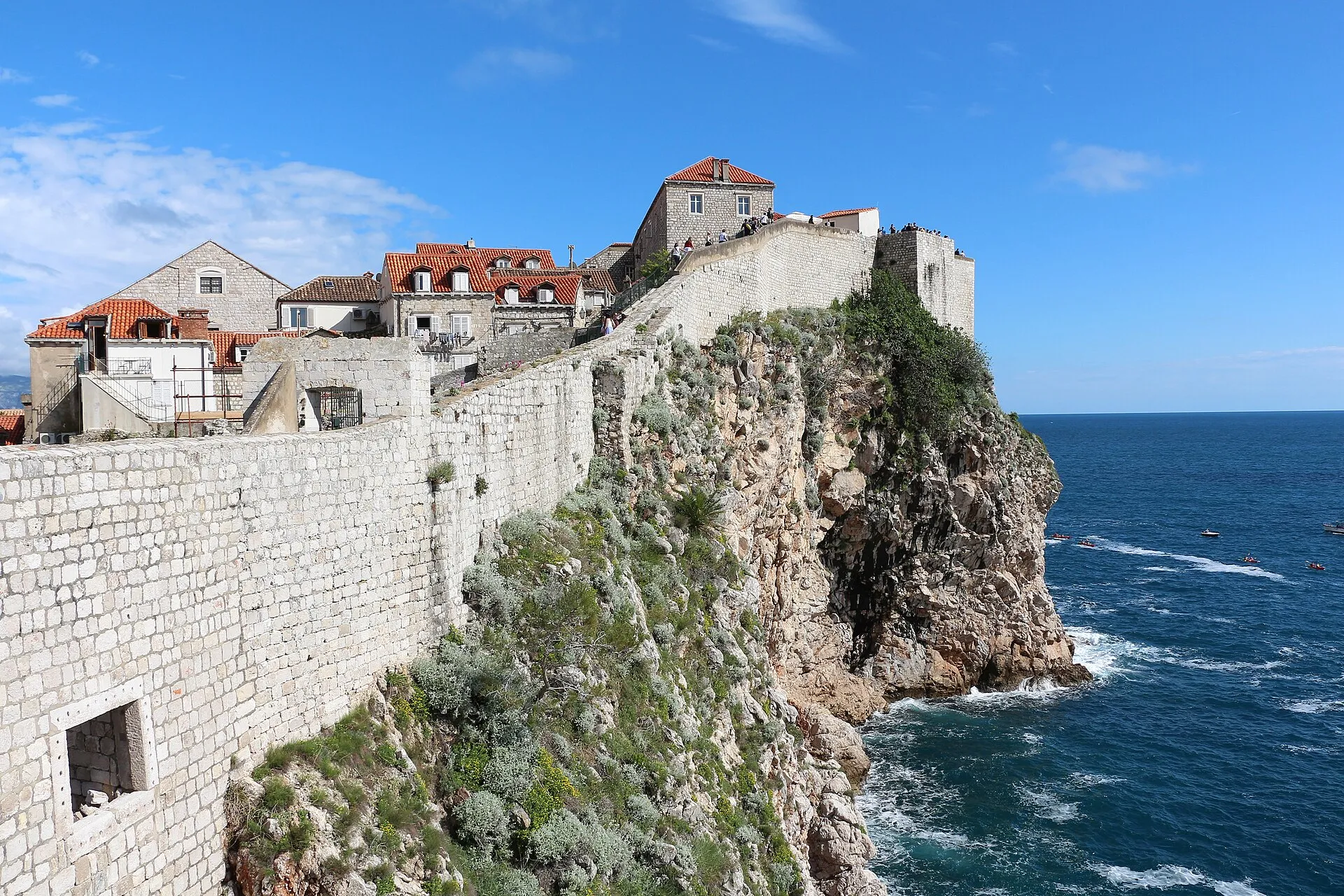
The walls are the reason to come, and they are longer than they look from the Stradun. They run 1,940 metres around the old town, with sixteen towers, three fortresses, and six bastions. At points the main wall stands 25 metres high and six metres thick on the land side, according to the Society of Friends of Dubrovnik Antiquities, which has cared for them since 1952. The circuit takes 90 minutes at a steady pace and closer to three hours if you stop for every view.
Buy one ticket and walk the full loop in one go, because re-entry is not allowed. The adult ticket is around 35 EUR in the April to October season and drops to roughly 15 EUR from November to February. Children aged 7 to 18 pay about 15 EUR in season, and under 7s go free. The same ticket covers Fort Lovrijenac on the same day, and the walls are open every day except 25 December, with the last entry at 18:00. Book on the official city walls site or its webshop, keep your ticket until you finish the walk, and enter at Pile, Ploče, or beside Fort St John.
The alternative is the Dubrovnik Pass, the city’s own card. The one-day pass costs 40 EUR, the three-day pass 50 EUR, and the seven-day pass 60 EUR. Each includes the walls, Fort Lovrijenac, the Rector’s Palace, the city museums, and bus travel for the length of the pass, per dubrovnikpass.com. Since the walls alone cost close to the price of the one-day pass, it pays for itself the moment you add a museum. The cable car is not included.
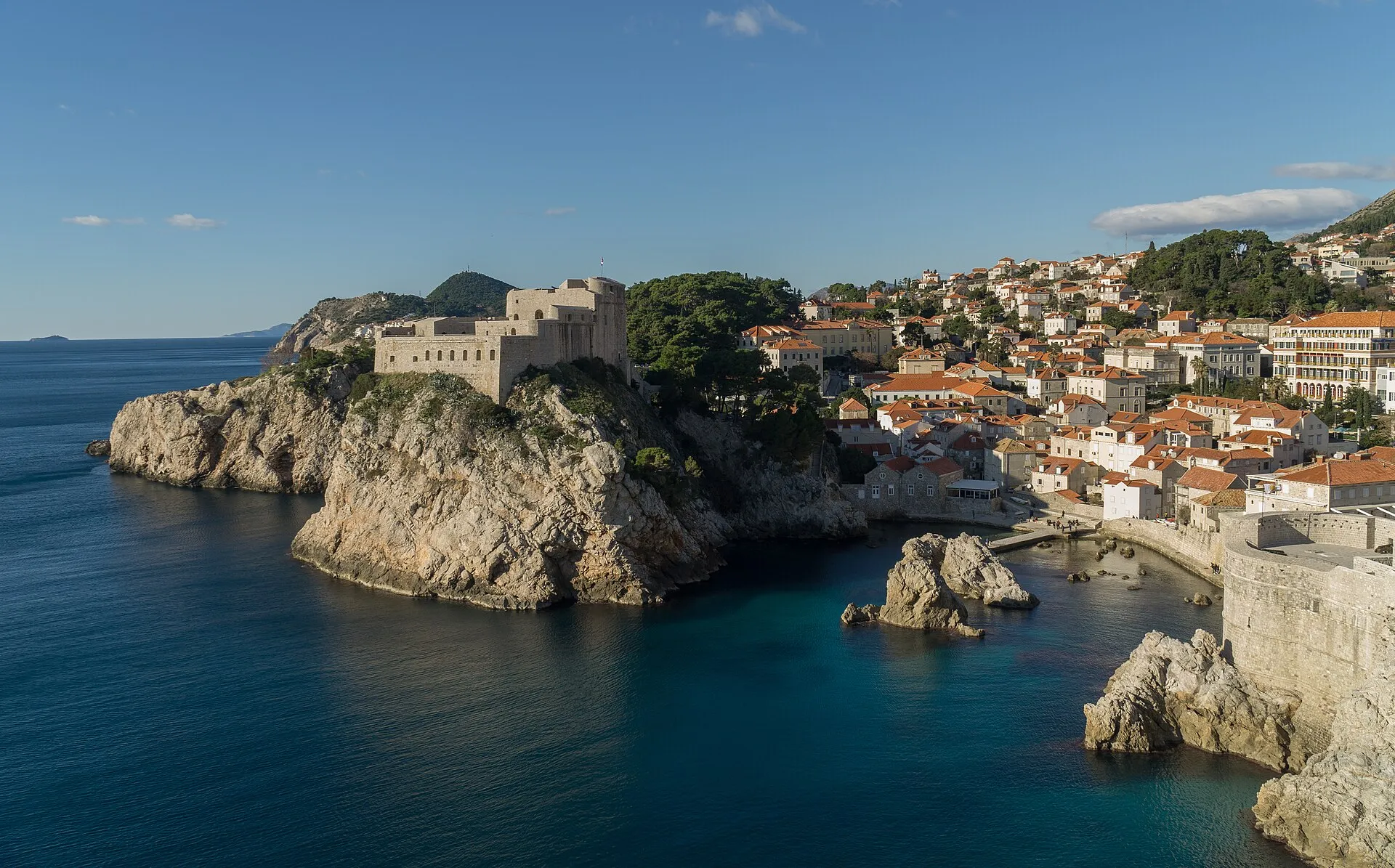
Fort Lovrijenac sits on a 37 metre rock just outside the Pile Gate, separate from the walls but linked to them by the same ticket. It is the fort that stands in for King’s Landing in Game of Thrones, and its courtyard hosts summer theatre. The short climb is worth it for the view back at the old town as much as for the walls themselves. Walk the city walls early, at opening or after 16:00, when the stone has cooled and the tour groups have thinned.
The Old Town
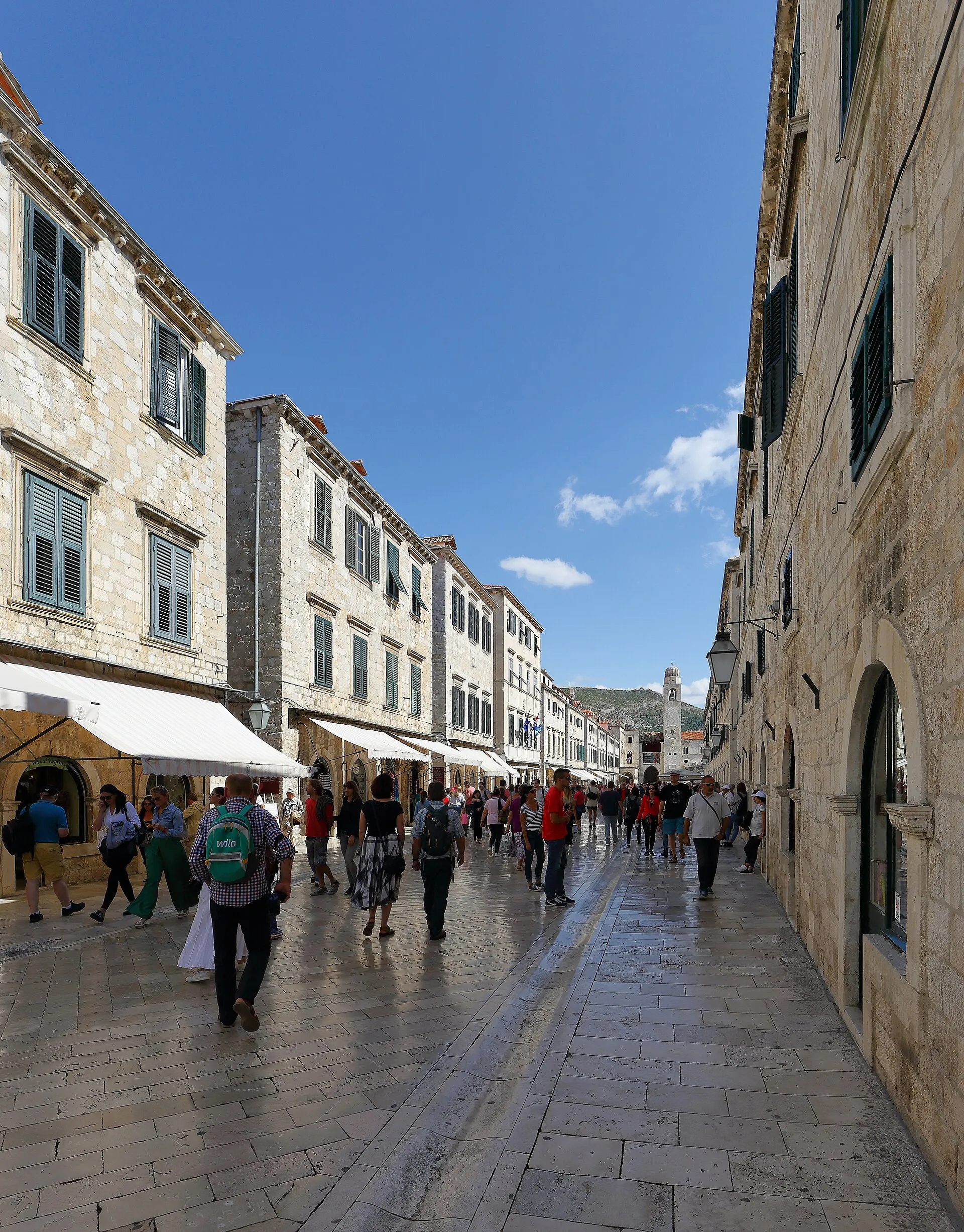
The old town is a compact grid of limestone lanes inside the walls, and the one street everyone knows is the Stradun, the polished main artery that runs from the Pile Gate to the clock tower. It is free to walk, along with the Pile Gate, Onofrio’s Fountain, Orlando’s Column, the Sponza Palace, and the old harbour, so a first afternoon can cost nothing at all. The stone is slick from centuries of footsteps, which matters more than it sounds after rain.
The paid stop worth making is the Rector’s Palace, the Gothic and Renaissance seat of the old republic, now the Cultural History Museum. Entry is 15 EUR for adults and 8 EUR for students and schoolchildren, and a combined ticket covering ten city museums and galleries costs 20 EUR for adults, valid for seven days from first use, per Dubrovnik Museums. The palace is also a summer concert venue, so the courtyard sometimes closes for rehearsals.
Two smaller things reward a slow walk. The Jesuit Stairs, the wide baroque flight above the market square, are the city’s most photographed steps, and the Buža bars sit in holes in the seaward wall, reached through gaps you have to look for. In the evening, when the day-trippers leave, the old town empties out and the lanes become the quietest they will be all day.
Mount Srd and the cable car
The cable car climbs from just outside the Ploče Gate to the top of Mount Srd in about four minutes, rising to 405 metres for the best view of the old town, the walls, and the islands. A round-trip adult ticket costs 30 EUR and a one-way ticket 17 EUR, with a child return at 8 EUR for ages 4 to 12 and free travel under 4, per the official operator. It runs from April to November and closes for the winter, so it is not an option in the coldest months.
Two honest notes. The cable car is not covered by the Dubrovnik Pass, and the queue in August can run an hour, so go at opening or an hour before sunset. If you would rather save the fare, a footpath climbs from the old town to the summit in about 45 minutes, and the walk down through the pines takes around 30 minutes. At the top there is a restaurant and the small Homeland War Museum, which tells the story of the 1991 siege.
Lokrum island
Lokrum is the green island a 15 minute boat ride from the old harbour, and it is the easiest half-day escape from the city. It is a protected reserve with no cars and no overnight stays, home to peacocks, a botanical garden, a ruined Benedictine monastery, and a small saltwater lagoon the locals call the Dead Sea. Fort Royal at the island’s high point has another view back across to the walls.
The adult ticket is 30 EUR and includes the return boat from the old port. A student ticket is 10 EUR, a child ticket for ages 7 to 18 is 5 EUR, and children under 7 travel free, per the official Lokrum webshop. In the 2026 season the first boat leaves at 09:00 and the last one back is at 20:00. If you hold a three-day Dubrovnik Pass you get 20 percent off the adult ticket, and a seven-day pass gives 30 percent off.
Take a towel, because the swimming off the rocks is the point, and pack water, because the one cafe is busy at midday. Lokrum is also where Game of Thrones fans find the official Iron Throne, and the whole island can be walked in a couple of hours, which leaves the afternoon for the city.
Beaches and swimming
Dubrovnik is a stone city, not a sand resort, and most of the swimming is off pebbles or flat rocks. Banje beach sits just outside the Ploče Gate, a short walk from the old town, with a view of the walls and a mix of public and paid sections. For something quieter, Sveti Jakov, a 25 minute walk southeast along the coast, has a pebble bay and a staircase down to the water.
The cliff bars on the seaward side of the walls let you swim straight off the rocks. The hotel zone at Lapad and Babin Kuk, reached on bus line 6, has the most accessible beaches and the calmest water. Bring water shoes for the pebbles, and go early or late in summer, because the stone holds the heat. The Adriatic is warmest from July to September and bracing in May and October.
The islands
The Elaphiti islands are the closest and the easiest. Koločep, Lopud, and Šipan lie just off the coast and are reached by ferry or catamaran from the port at Gruž. Koločep is about 30 minutes away, and foot passenger fares start at around 6 EUR according to the operators listed on Ferryhopper. Lopud has the sandy Šunj beach, which is rare on this coast, and all three are car light and slow in the best way.
Mljet is the greenest island in southern Dalmatia and a full day rather than a quick hop. Its national park covers the western end, with two saltwater lakes, a forest of trails, and a 12th century Benedictine monastery on St Mary’s islet. The 2026 park entrance is 20 EUR for adults and includes the return boat to the islet, per the official park price list. A catamaran from Dubrovnik reaches Pomena in about 80 to 95 minutes, and the park entrance is a short walk from the port, so a day trip works without a car.
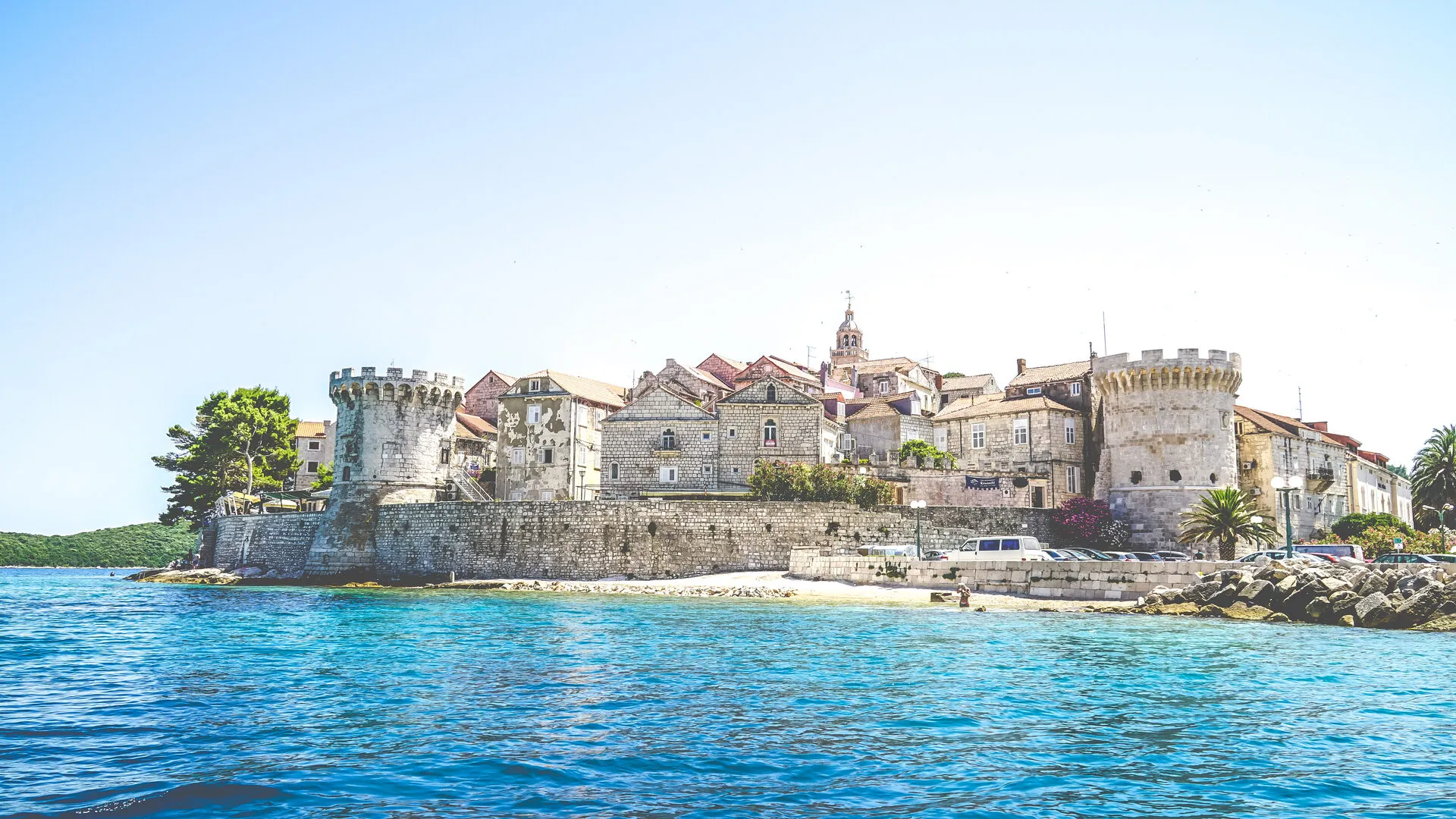
Korčula is the island of the old town, a miniature Dubrovnik with its own walls and a house said to be Marco Polo’s birthplace. Catamarans run from Gruž in roughly an hour to an hour and a half, and it works well as an overnight rather than a rushed day trip. For the ferry times, always check the current season, because schedules thin out sharply outside July and August. If you are choosing between the two islands, see the Hvar vs Korcula comparison.
Day trips
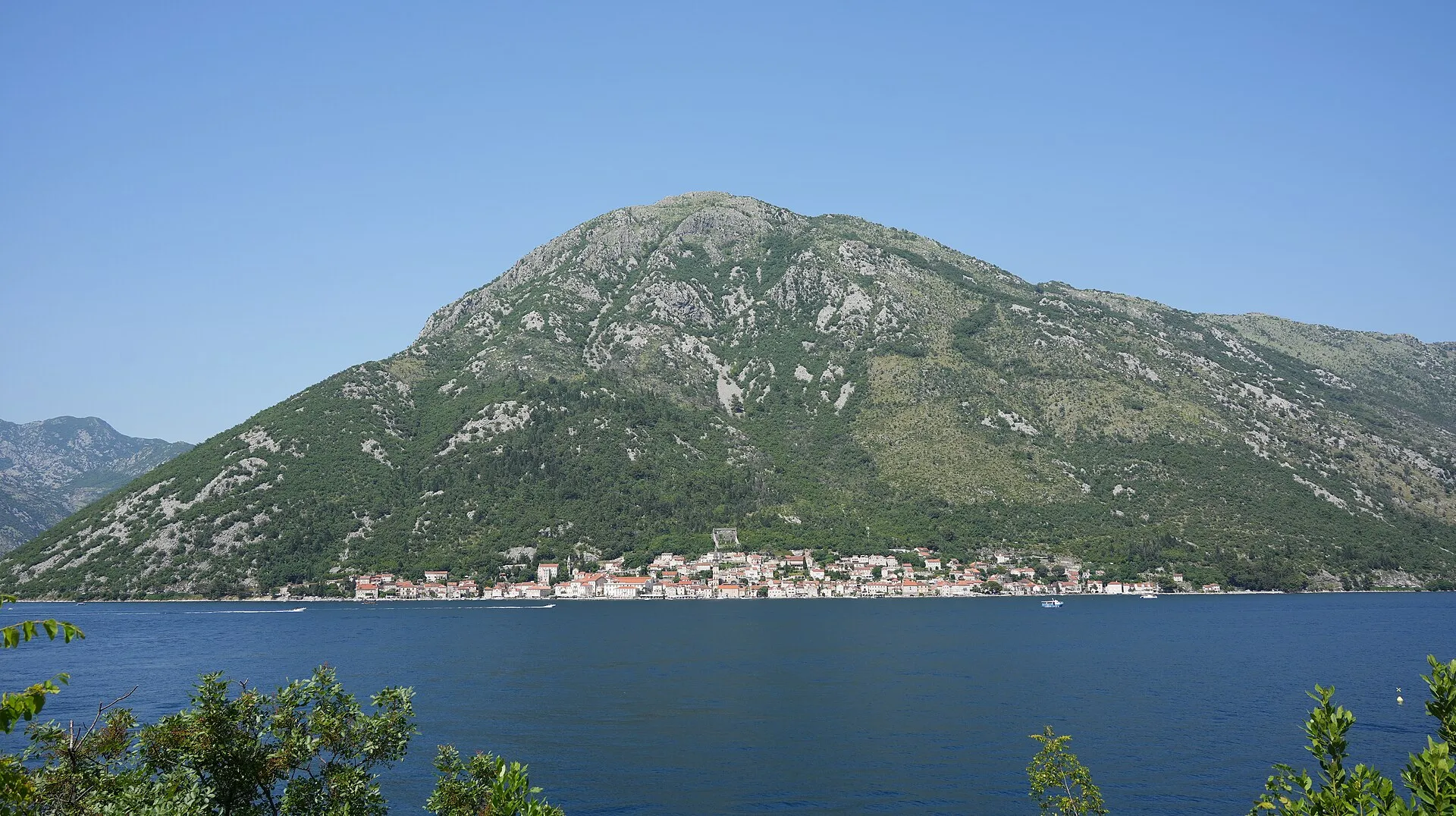
Montenegro is the big day trip, and the Bay of Kotor is the reason. Organised coach tours run 40 to 70 EUR per person and spend around three hours in the UNESCO listed old town of Kotor, with a stop at Perast and its islet church. A public bus to Kotor takes about 2 hours 20 minutes from around 35 EUR, and a seasonal fast ferry takes about three hours. The border is the wildcard: carry your passport, allow for queues in summer, and avoid Saturdays in July and August.
Mostar and the Kravica waterfalls in Bosnia are the other classic full day, usually run as a coach tour of 11 to 12 hours from around 35 EUR, again with a passport and a border crossing. Closer to home, Cavtat is a quiet harbour town about 25 minutes by local bus from Pile or 15 minutes by boat. The Pelješac peninsula is wine country, with the villages of Dingač and the beaches around Orebić reached by car.
Ston is the sleeper pick. About an hour up the coast, it has the longest defensive wall in Europe after the Great Wall of China, with 5.5 kilometres of fortifications above the town. The oyster beds of Mali Ston Bay are among the best in the Adriatic. An oyster lunch beside the water is worth the detour on its own.
Dalmatian food
Dalmatian cooking is fresh seafood, olive oil, and restraint, and the dish to order first is crni rižot, the black cuttlefish ink risotto that turns up on almost every menu. Beyond it, look for buzara, shellfish cooked in white wine, garlic, and breadcrumbs. Peka is octopus or lamb cooked slowly under an iron bell, ordered hours or a day ahead. Šporki makaruli is the rich meat-sauce macaroni of the old city festivals. And the whole fish that came in that morning is grilled and sold by the kilogram. Oysters and mussels from Mali Ston Bay are a local point of pride.
The rule that saves money is simple: eat one or two streets back from the Stradun and the old harbour, where the same food costs less and tastes better. Ask about the cover charge, called kruh, before you order, because bread on the table can add a few euros a head. An espresso at the counter is a couple of euros, a plate of seafood pasta is roughly 15 to 25 EUR, and a dinner with local wine lands around 30 to 45 EUR per person. Lapad, Gruž, and the side streets off Gundulićeva Poljana are where the price and the quality line up.
Getting there
Dubrovnik has its own airport, DBV, about 20 kilometres southeast of the city. The official Platanus shuttle is the simplest transfer: 10 EUR one way and 15 EUR for an open return, per platanus.hr. Buses run about 30 minutes after every arriving flight, first to the Ploče Gate and then the main bus station at Gruž, and children under 6 travel free. The trip takes 25 to 35 minutes depending on traffic. Around 80 percent of visitors arrive by plane, so book the shuttle with your flight in peak season.
By land, Dubrovnik has no train station, so the bus is the connection to the rest of Croatia. The run to Split takes about four hours, with first-minute fares from around 19 EUR on Arriva. On the water, catamarans link Gruž with Split in about four and a half hours and with the islands on seasonal timetables, which makes the coast a chain of hops rather than a single base. In town, Libertas buses connect the old town with Lapad, Gruž, and the port, with a single ticket bought on board at 2.50 EUR and a day ticket at 5.31 EUR, per the official Libertas price list. The old town itself is pedestrian only.
Where to stay
Staying inside the walls is the romantic choice and the quietest one at night, once the day-trippers leave, but the rooms are small, the stairs are steep, and the prices are the city’s highest. Just outside the Pile and Ploče gates you get the same convenience with less noise and, in Ploče, the cable car on your doorstep. Both are the best bases for a first visit of two or three nights.
For beaches and hotels, Lapad and Babin Kuk sit on bus line 6 about 15 minutes from the old town, with the waterfront promenade and the most family friendly swimming. Gruž is the practical, cheaper option, beside the bus station and the ferry port, with a market and the best value food. Cavtat, 20 minutes down the coast, is the quiet alternative, and it suits anyone who wants to sleep away from the crowds and visit the city by boat. In summer, book months ahead, because Dubrovnik runs close to full in July and August.
What a day costs
Planning figures for 2026, per person per day and excluding flights and accommodation: a budget day runs 60 to 85 EUR, a comfortable budget day 100 to 140 EUR, and a mid-range day 160 to 230 EUR. The comfortable number is the honest one for most first-timers once you add the walls at around 35 EUR, a boat trip or the cable car, a proper seafood dinner, and a few bus rides. These ranges are planning estimates built from the ticket, transport, and food prices cited in this guide, not an official index.
The season moves the numbers more than the daily budget does. May, June, September, and early October give warm water, open ferries, and crowds that are busy without being crushing. July and August are the peak in the real sense, with the hottest days and the fullest hotels. Winter is cheap and quiet, but the cable car closes, some island ferries stop, and many restaurants shut. Whenever you come, check the cruise ship schedule for your dates, because mornings when two ships are in port are the busiest the old town gets. For more of the country, browse the Croatia guide and all the guides.
Practical information
| Getting around | The old town is pedestrian only and small enough to cross in 15 minutes, so most days are on foot. Libertas buses connect the old town with Lapad, Gruž, and the port; a ticket bought on board costs 2.50 EUR and a day ticket 5.31 EUR. Validate your ticket on board and watch your bag on the crowded summer lines. Water taxis and the Lokrum boat leave from the old harbour. |
|---|---|
| When to go | May, June, September, and early October are the best months, with warm sea, open ferries, and manageable crowds. July and August bring the heat and the peak prices. Winter is quiet and cheap, but the cable car is closed, island ferries thin out, and some restaurants shut for the season. |
| Money | Croatia uses the euro, adopted in 2023. Cards are accepted almost everywhere, including most restaurants and the ticket offices, but keep some cash for markets and small konobas. Tipping is not included: round up or leave around 10 percent on a good meal. Ask about the bread cover charge before you order. |
| Health and safety | Dubrovnik is a safe city, with the usual caution for pickpockets in the old town and on the busy bus lines. The summer heat and the exposed stone of the walls are the real risks, so carry water, wear a hat, and walk the walls early or late. Tap water is safe to drink, and the sea is clean at the city beaches. |
| Sightseeing rhythm | Walk the walls at opening or after 16:00, give the old town the early morning, and save the islands and beaches for the middle of the day. Book the walls and any boat trip ahead in July and August, check the cruise schedule for the days you are in town, and keep your passport for the Montenegro and Bosnia day trips. |
Disclosure. This blog post contains affiliate links. If you book through them, Mediterranean Vibes may earn a small commission at no extra cost to you; it is how the site stays up.