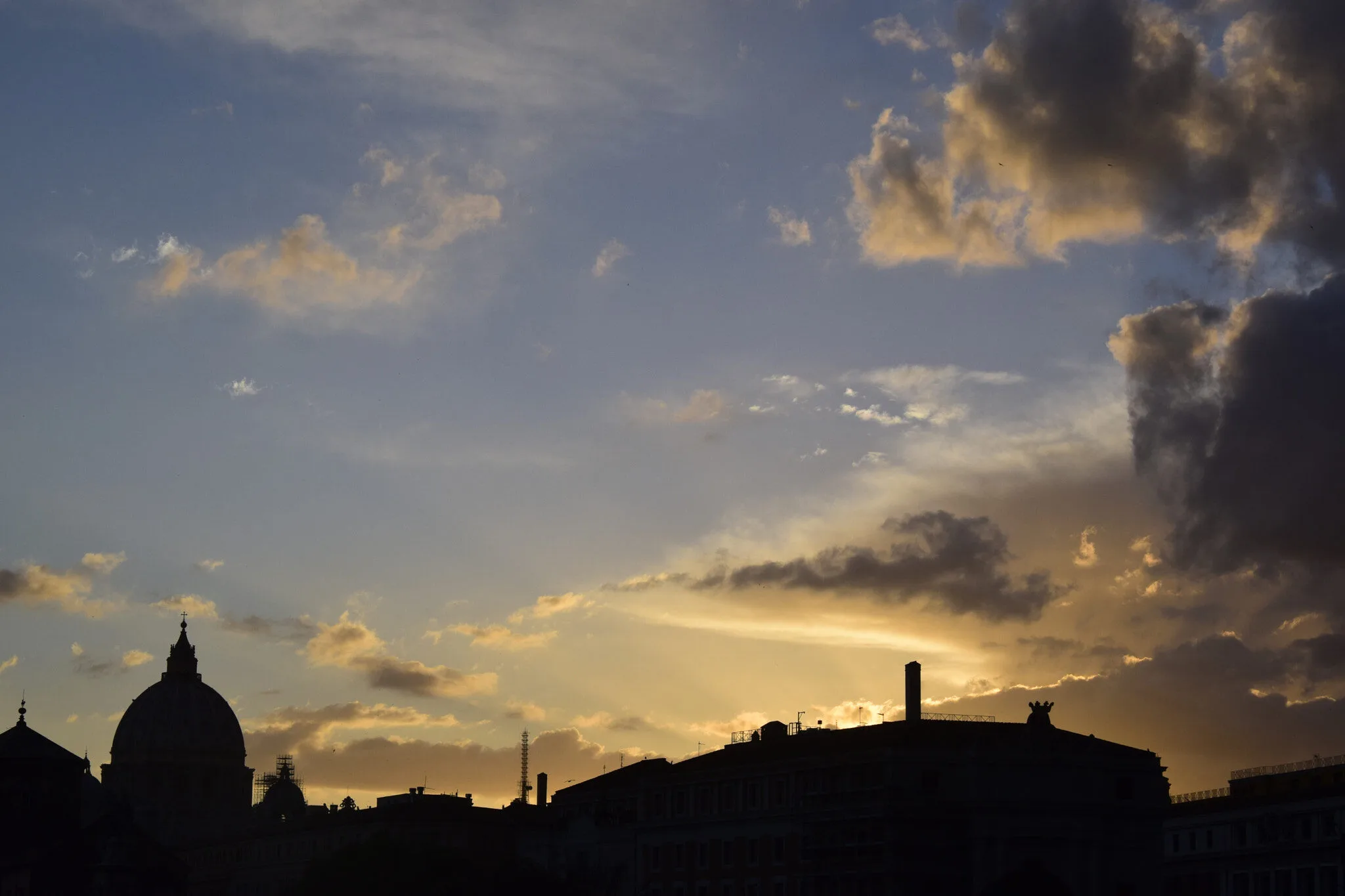
Rome is the capital of Italy and its largest city, with 2,746,984 residents inside the city limits on 1 January 2025, according to the national statistics office ISTAT. It is also the only city where a three-thousand-year history is still in daily use: ancient temples sit next to Renaissance churches, and both sit next to a bar selling coffee at the counter.
The first surprise is the scale. The historic centre is walkable, but it is dense, and the classic mistake is trying to see everything in two days. The second surprise is how much of it is booked in advance. The Colosseum, the Vatican, and the Pantheon all run timed entries, and the good slots disappear weeks ahead in spring and autumn.
This guide gives you the numbers that matter for 2026 with the source attached, because Rome changes its ticketing more often than almost any city in Europe. Prices, opening hours, the airport transfer, the metro fares, and a daily budget range, plus the mistakes that cost first-timers the most time. Every figure is checked against an official 2026 page, and the ones worth rechecking before you book are linked as you go. If you are planning the wider trip, compare all seven countries in the country index.
Plan and book
3 partners- Flights
Find a direct route into Rome from wherever you start, and compare the two airports before you book.
Search flights - Trains
Compare high-speed trains from Florence and Naples into Rome Termini in one search.
Compare trains - Where to sleep
Rooms in the centro storico, Monti, Trastevere, and Prati, sorted by area, price, and review score.
Find a room
The Colosseum and the Forum
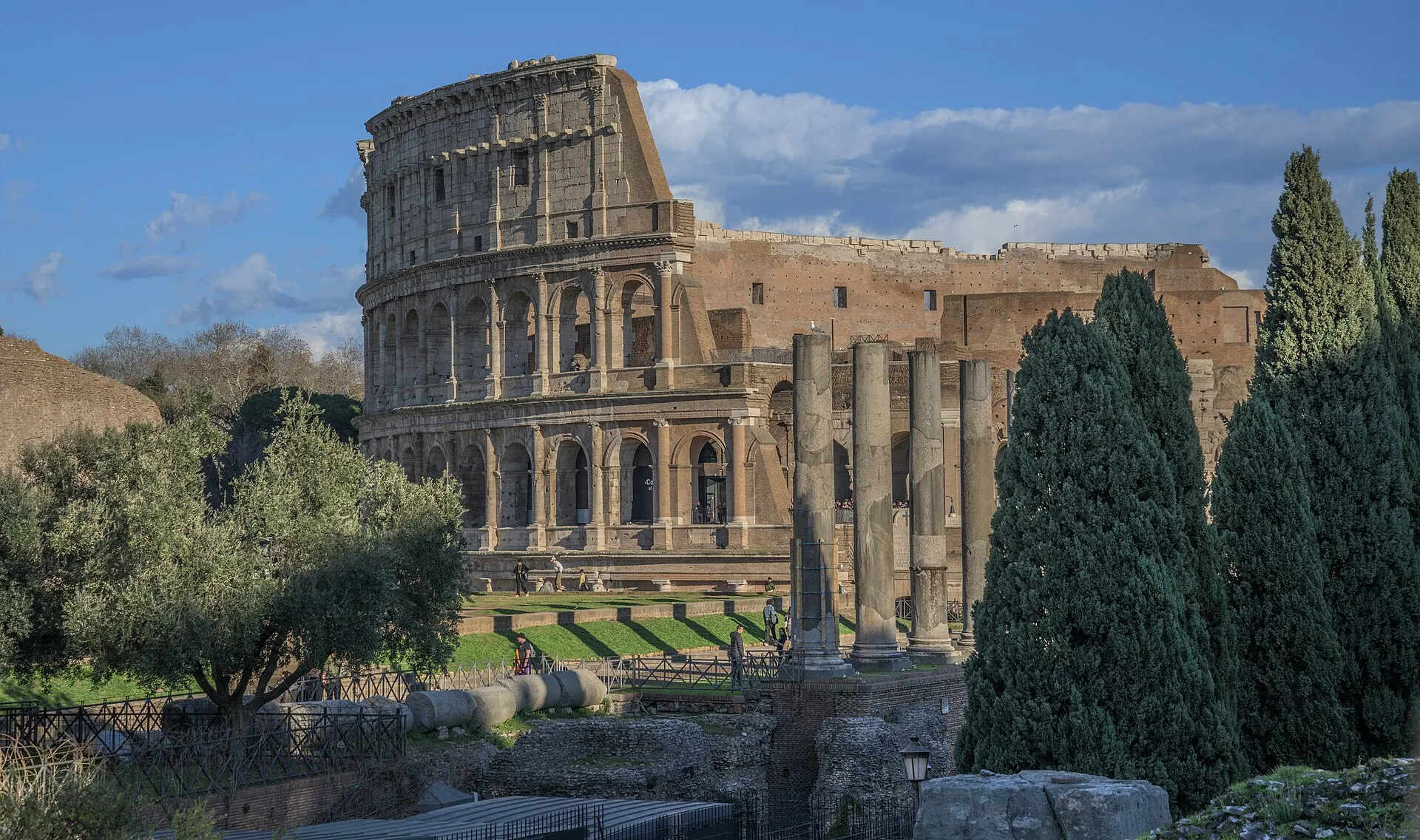
The Colosseum is the Flavian Amphitheatre, opened in 80 AD and built to hold more than 50,000 spectators. It stands at the edge of the Roman Forum and the Palatine Hill, and the three sites share one archaeological park, so they are bought together. The honest advice is to treat them as a half day, not an afternoon, because the Forum is far larger than it looks from the street.
Tickets come in three useful shapes. The ordinary ticket is valid for 24 hours and covers the Colosseum first and second tiers plus the Forum and Palatine, without the arena floor. The Full Experience Arena, at 24 EUR, is valid for two consecutive days and adds the arena floor, the Colosseum museum, and the park’s SUPER sites. The Forum Pass SUPER, at 18 EUR, covers the Forum, the Palatine, and the Imperial Fora but not the Colosseum. Reduced tickets are 2 EUR for EU citizens from 18 until their 25th birthday, and the first Sunday of each month is free, with booking still required. Timed entry is strict, and the Colosseum sells out, so book on the official Parco archeologico del Colosseo site before you travel.
Opening hours change with the date. Until September 30, 2026 the Colosseum runs 08:30 to 19:15 and the Forum and Palatine run 09:00 to 19:15, with the last admission at 18:15. From October 1 the whole park closes at 17:30. Go at opening or in the late afternoon, and give the Forum its own two hours.
The Vatican
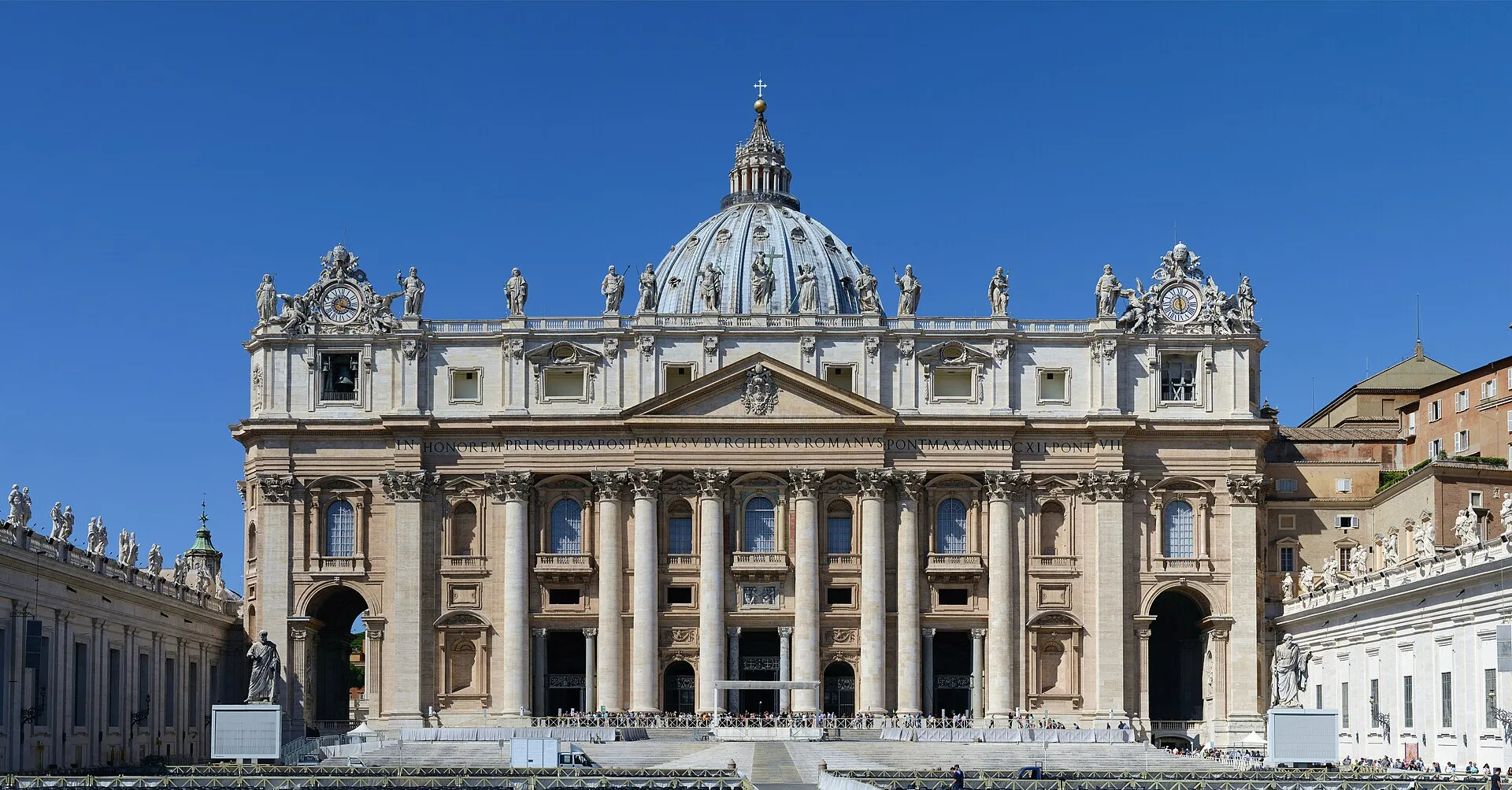
The Vatican Museums and the Sistine Chapel are one visit, because there is no separate Sistine Chapel ticket: the chapel is the end of a one-way route through roughly seven kilometres of galleries. The full entry ticket is 20 EUR, and booking through the official site adds a 5 EUR skip-the-line fee, so the realistic price is 25 EUR. The reduced ticket is 10 EUR plus the same 5 EUR booking fee. The museums open Monday to Saturday from 08:00 to 20:00 with the last entry at 18:00, and the last Sunday of each month is free from 09:00 to 14:00. Book on tickets.museivaticani.va, the only official portal, and ignore the many lookalike sites.
St Peter’s Basilica next door is free to enter, and the queue moves faster than the museums line. There is a dress code across the Vatican: shoulders and knees covered, for men and women. The practical plan is one morning for the museums and the chapel, then lunch, then the basilica and the square when the tour groups thin out.
The Pantheon
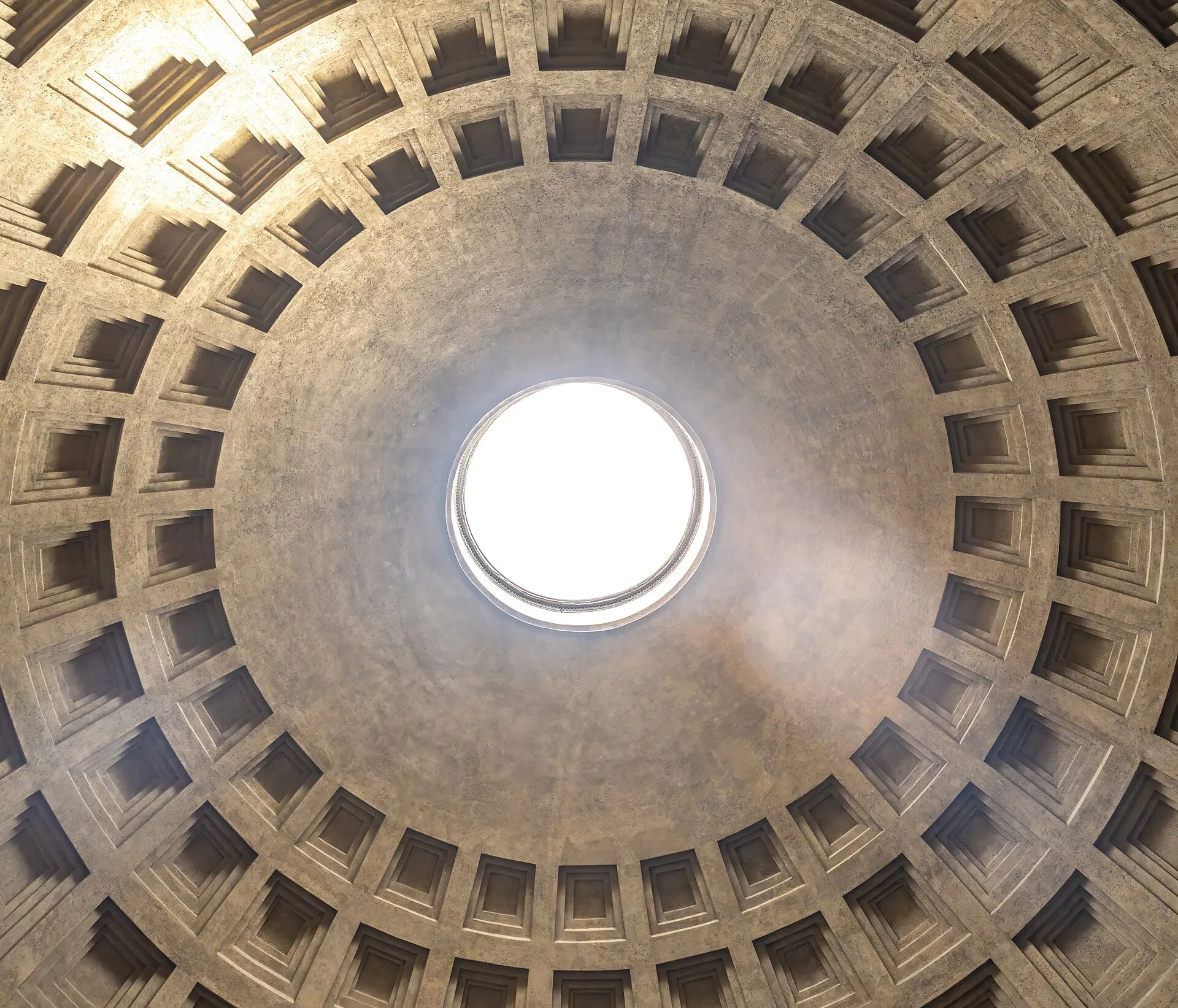
The Pantheon is the best-preserved building of ancient Rome, a temple turned church with the largest unreinforced concrete dome in the world and an open oculus at its centre. It is the one monument where the interior matters more than the facade, so go inside rather than photographing the portico and leaving. It drew around 4.5 million visitors in 2025, according to Il Sole 24 Ore.
Prices changed in the middle of 2026: on 1 July the full ticket rose from 5 EUR to 7 EUR, while the reduced ticket stayed at 2 EUR for EU citizens aged 18 to 25. Entry is free for under-18s, Rome residents, and on the first Sunday of the month. Tickets are nominal and tied to a time slot, bought through the Musei Italiani portal or at the door, and there is no skip-the-line. The Pantheon is not covered by the Roma Pass.
The centro storico
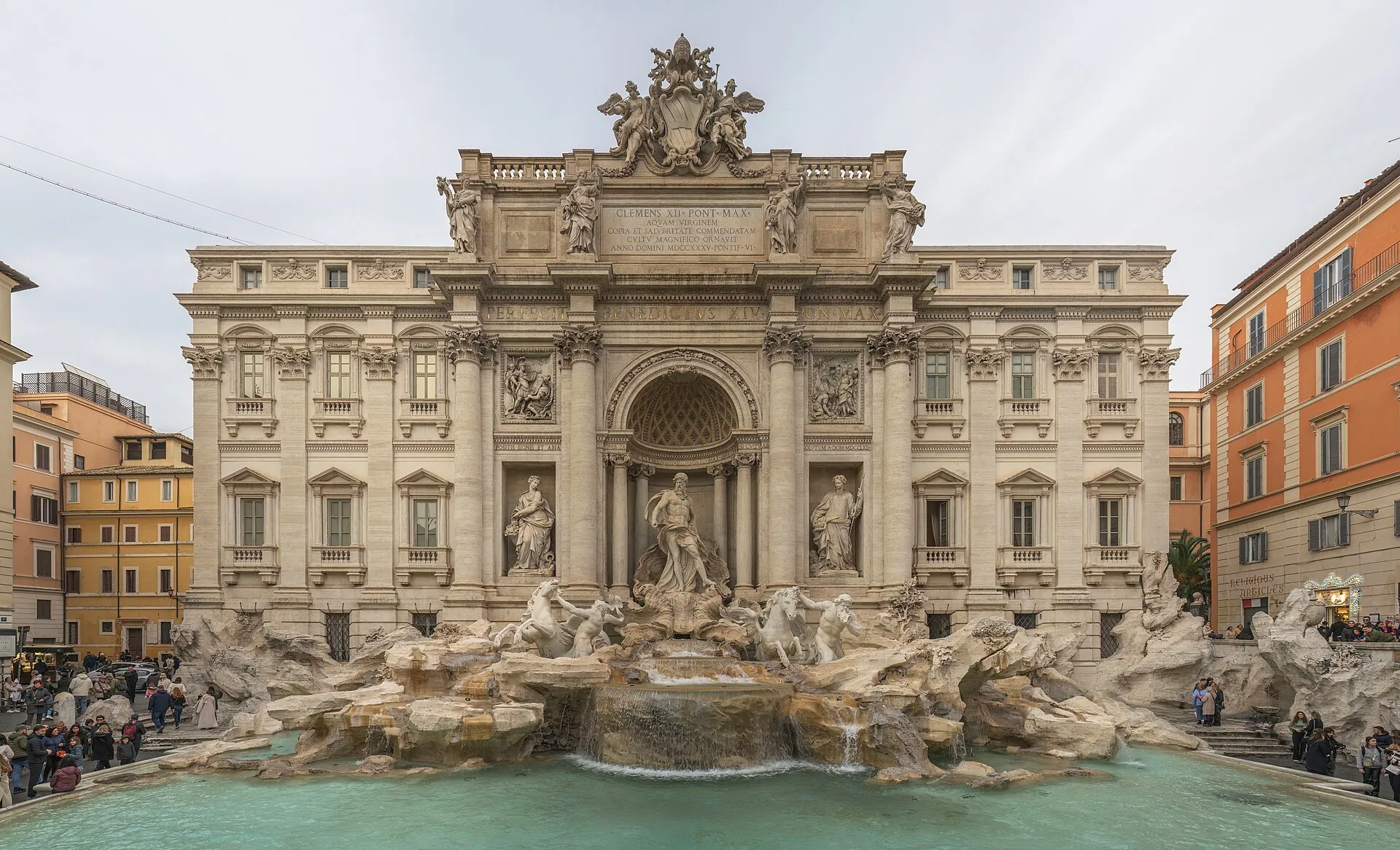
The centro storico is the triangle between Piazza del Popolo, Piazza Venezia, and the Tiber, and most of it is free. The Trevi Fountain, Piazza Navona, the Spanish Steps, and the Pantheon all sit inside a walk of about 40 minutes end to end. In 2026 the city introduced a small 2 EUR access fee for the close-up viewing area at the Trevi Fountain, so expect a line and a turnstile rather than a free-for-all, as reported by Il Sole 24 Ore.
Walk this area early, before 09:00, when the lanes are almost empty and the light is good. Piazza Navona is at its best with a coffee at the edge of the square, and the Pantheon’s piazza is quieter in the evening. The one thing to avoid is a sit-down meal on the main tourist squares, where the prices are for the view, not the food.
Trastevere
Trastevere sits on the west bank of the Tiber, and its cobbled lanes and ivy-covered walls make it the most photogenic neighbourhood in the city. It is also where a lot of Romans actually eat and drink, so it works best in the evening, when the restaurants fill and the streets get loud. Cross at the Ponte Sisto or the Ponte Garibaldi and get lost on purpose.
Above the neighbourhood, the Janiculum Hill has the best free panorama of the city and a walk down through the gardens. The nearby Testaccio district, a short walk south, has the market and the trattorias that locals point visitors toward when they ask where to eat.
Roman food
Roman cooking is built on four pasta sauces, and you should try all four: cacio e pepe, carbonara, amatriciana, and gricia. They use the same few ingredients in different combinations, and the local rule is to order them one at a time rather than as a sampler. Beyond pasta, look for supplì, the fried rice croquette; carciofi alla giudia, the crisp artichoke of the Jewish Ghetto; and pizza al taglio, sold by weight and eaten standing up.
Prices are reasonable if you stay off the main squares. A plate of pasta is usually 10 to 15 EUR, pizza al taglio is a few euros for a slab, and an espresso at the counter is around 1.10 to 1.50 EUR, with a surcharge if you sit down. Lunch is often the better-value meal, and the trattorias in Testaccio and Trastevere are where the price and the quality line up. Drink the local white from the Castelli Romani hills and finish with gelato, which is best judged by how far the shop is from a monument.
Getting there
Rome has two airports. Fiumicino, also called Leonardo da Vinci, is the main one and sits about 32 kilometres southwest of the centre. The Leonardo Express train runs nonstop to Roma Termini in 32 minutes, every 15 minutes through most of the day, for 14 EUR, according to Trenitalia. The cheaper FL1 regional train costs 8 EUR and stops at Trastevere, Ostiense, and Tiburtina but not Termini, so it suits hotels on that side. A taxi from Fiumicino is a fixed 55 EUR to anywhere inside the Aurelian Walls. Ciampino, the smaller airport, is served by the ATAC 520 bus to the metro A, or by shuttle buses for around 7 EUR.
By rail, Rome is the centre of the Italian high-speed network. Naples is about 1 hour 10 away, Florence about 1 hour 30, and both arrive at Termini or Tiburtina. Around the city, ATAC tickets cover metro, buses, and trams: the single BIT ticket is 1.50 EUR and lasts 100 minutes with one metro journey, the Roma 24H ticket is 8.50 EUR, 48H is 15 EUR, and 72H is 22 EUR, per ATAC. The metro is thin compared with other capitals, so most trips are by bus or on foot.
Where to stay
Base yourself near the things you want to see twice. The centro storico around the Pantheon and Piazza Navona is the most central and the most expensive, with everything walkable. Monti, just above the Colosseum, is the fashionable middle ground, with good restaurants and a village feel. Trastevere has the evening atmosphere but is a longer walk from the ancient sites. Prati and the streets around the Vatican suit early museum slots, and Termini is the transport answer with the best value, if not the charm. Testaccio is for food and a more local Rome.
For a first visit of three or four days, the centro storico or Monti saves the most time, because you spend the days walking and not on buses. If the budget matters more than the postcode, Termini is a short metro ride from everything.
Day trips
Rome is a strong base for the rest of Lazio and beyond. Ostia Antica, the Roman port town, is about 30 minutes by train from Porta San Paolo and is quieter and more complete than many sites inside the city. Tivoli, about an hour by bus or train, holds the Villa d’Este gardens and Hadrian’s Villa. Orvieto, roughly 1 hour 15 by train, is a hill town with a tiled cathedral and one of Italy’s best white wines. Naples is about 1 hour 10 by high-speed train, and Pompeii is a short regional ride beyond it, which makes the pair a long but real day trip. Florence is about 1 hour 30, better with an overnight.
The honest scheduling note: Ostia Antica and Tivoli work as genuine half-day trips, Orvieto as a full day, and Naples with Pompeii is better with a night. For more of the country, the Italy guide covers the Amalfi coast, Tuscany, and Sicily.
What a day costs
Planning figures for 2026, per person per day and excluding flights and accommodation: a budget day runs 55 to 75 EUR, a comfortable budget day 90 to 130 EUR, and a mid-range day 150 to 220 EUR. The comfortable number is the honest one for most first-timers once you add the Colosseum, the Vatican, a proper dinner, and a few metro rides. These ranges are planning estimates built from the ticket, transport, and food prices cited in this guide, not an official index.
The season moves the numbers more than the daily budget. April to June and September to October give the best weather and the most manageable crowds. July and August are hot and full, with temperatures that push past 35°C. Book the big three tickets, the Colosseum, the Vatican, and the Pantheon, as soon as your dates are fixed, because spring and autumn slots sell out well ahead. For more of the region, browse all the guides.
Practical information
| Getting around | Rome is a walking city, and the historic centre is compact, so most days mix walking with short bus rides. The metro has three lines and does not reach the centro storico except at Spagna and Barberini. ATAC tickets cover metro, buses, and trams, with the single BIT ticket at 1.50 EUR for 100 minutes and the 72-hour Roma ticket at 22 EUR. Validate tickets on board and keep an eye on your bag on the busy lines. |
|---|---|
| When to go | April to June and September to October are the best months, with warm days and manageable queues. July and August bring heat above 35°C and the heaviest crowds. Winter is quiet and mild, with shorter monument hours, and many restaurants close for a few days around the Christmas and New Year period. |
| Money | Italy uses the euro. Cards work almost everywhere, including most bars and taxis, but keep coins and small notes for markets and the occasional cash-only trattoria. Tipping is not expected; a euro or two on a good meal is enough. Coffee at the counter is the cheapest habit in the city. |
| Health and safety | Rome is a safe city, with the usual caution for pickpockets on the metro, around Termini, and at the Trevi Fountain. The summer heat is the real risk, so carry water and use the middle of the day for churches rather than open ruins. Tap water is safe to drink, and the public fountains across the centre are drinkable. |
| Sightseeing rhythm | Book the Colosseum, the Vatican, and the Pantheon before you travel, and keep the timed slots for the morning. Give the ancient sites the early hours, the museums the middle of the day, and the centro storico and Trastevere the evening. Carry your passport, because the Colosseum and the Pantheon use nominal tickets checked against ID at the entrance. |
Disclosure. This blog post contains affiliate links. If you book through them, Mediterranean Vibes may earn a small commission at no extra cost to you; it is how the site stays up.


,_Dome_interior.jpg)
